Bucharest reads best in clusters of neighbourhoods rather than administrative borders. Below is the city's mental map — use it as a starting point, then dive into the dedicated pages under neighbourhoods.
The centre: historic and commercial core
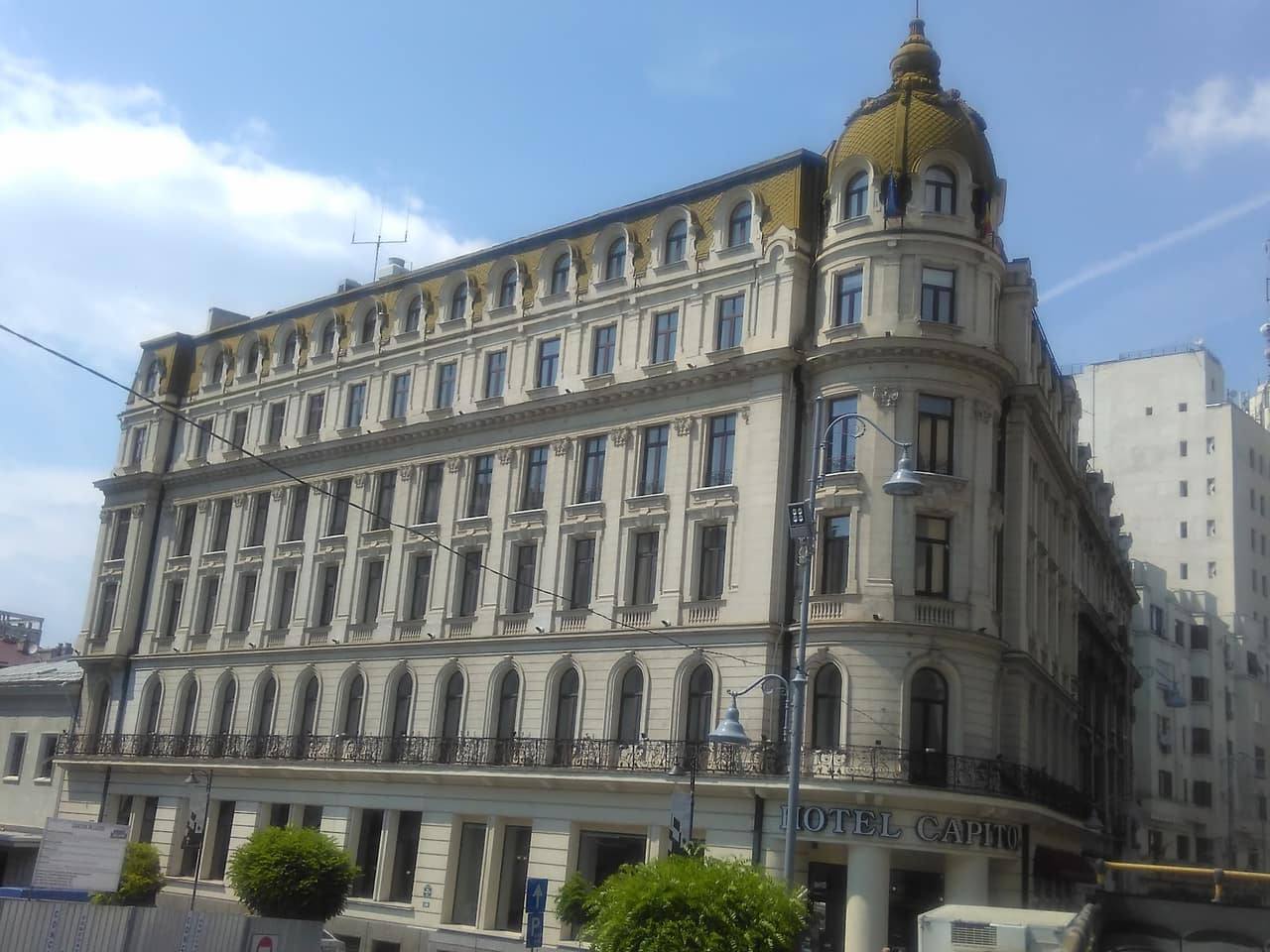
The heart of the city is dense and eclectic. The Old Town is the zone of inns, terraces, and long nights, built over the traces of the Princely Court. Calea Victoriei is the axis of prestige, lined with palaces, museums, and old shops. Around Universitate square beats the student and civic pulse, while Piața Romană and Magheru mark the backbone of interwar Bucharest.
The upscale north
The north holds the most expensive addresses. Dorobanți–Floreasca is villas, embassies, and restaurants; Primăverii is the old nomenklatura quarter turned ultra-residential; and Herăstrău–Aviatorilor hugs the city's largest park. Further out, Pipera is the pole of offices and towers, while Băneasa mixes woods, a mall, and the old airport.
The west: the great housing estates
The west is the territory of the big socialist estates, but also of green enclaves. Cotroceni is the oasis of interwar villas around the Presidential Palace; Militari and Drumul Taberei are vast dormitory districts, the latter now served by the metro. Crângași–Giulești drops toward Morii Lake and the old railway-built Giulești.
The east and south: the working city
The east and south keep their popular, crowded character. Titan leans on the IOR park, Vitan on the bend of the Dâmbovița and its mall, and Berceni is the southern end of the metro. Unirii–Tineretului links the civic centre to Tineretului park. Rahova and Ferentari remain neighbourhoods of social contrast. To the north-east, Obor lives around its namesake market, while Colentina–Tei stretches along the chain of lakes.
How the map came to be
This pattern is not random. The grand central axis and the northern villa districts grew in the late nineteenth and early twentieth centuries, when Bucharest styled itself a small Paris. The vast estates of the west and south are the legacy of communist-era industrialisation, when blocks of flats were thrown up to house workers near new factories. The contrast you feel walking from a leafy interwar street into a wall of concrete towers is the city's two main eras meeting head-on.
Centre versus edge
There is also a simple inside-outside logic. The closer to the centre, the older and more mixed the fabric — apartments above shops, churches between office blocks, narrow streets. The further out, the more the city resolves into large, self-contained estates with their own markets, schools and metro stops, and finally into the newer residential developments spilling into Ilfov. Knowing where on that gradient you are tells you a lot about what to expect.
How to read the city
The simple rule: the centre is for history and going out, the north for luxury and green, the west for large residential districts, the east and south for the authentic, everyday Bucharest. For details, open each page under neighbourhoods.