Bucharest is greener than its reputation admits, yet it has real problems we won't hide. Here's where the city stands on sustainability, without the marketing.
Green spaces
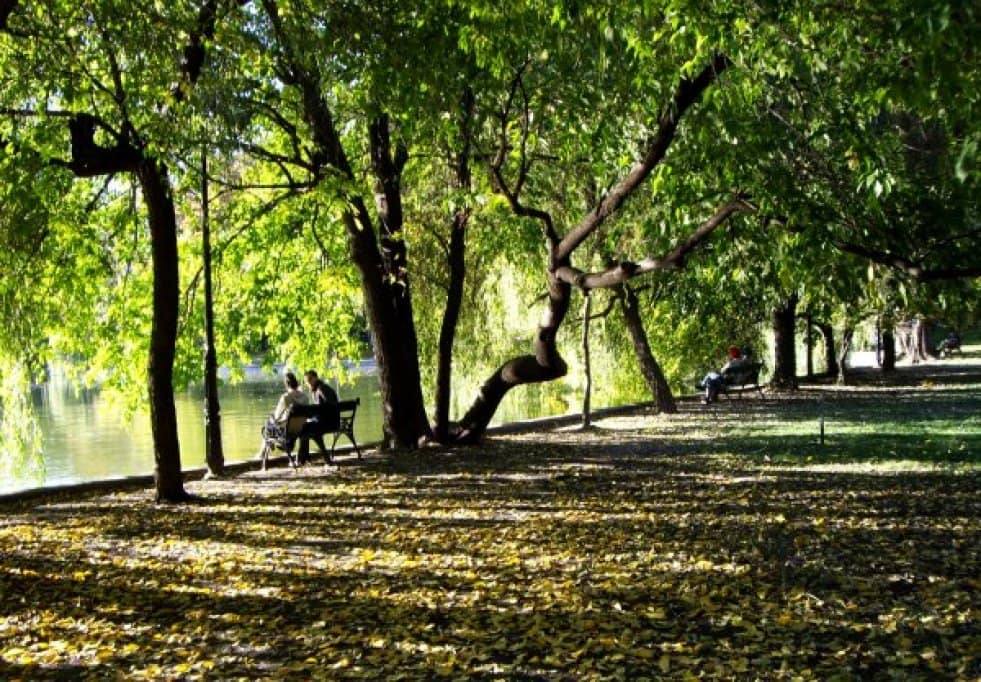
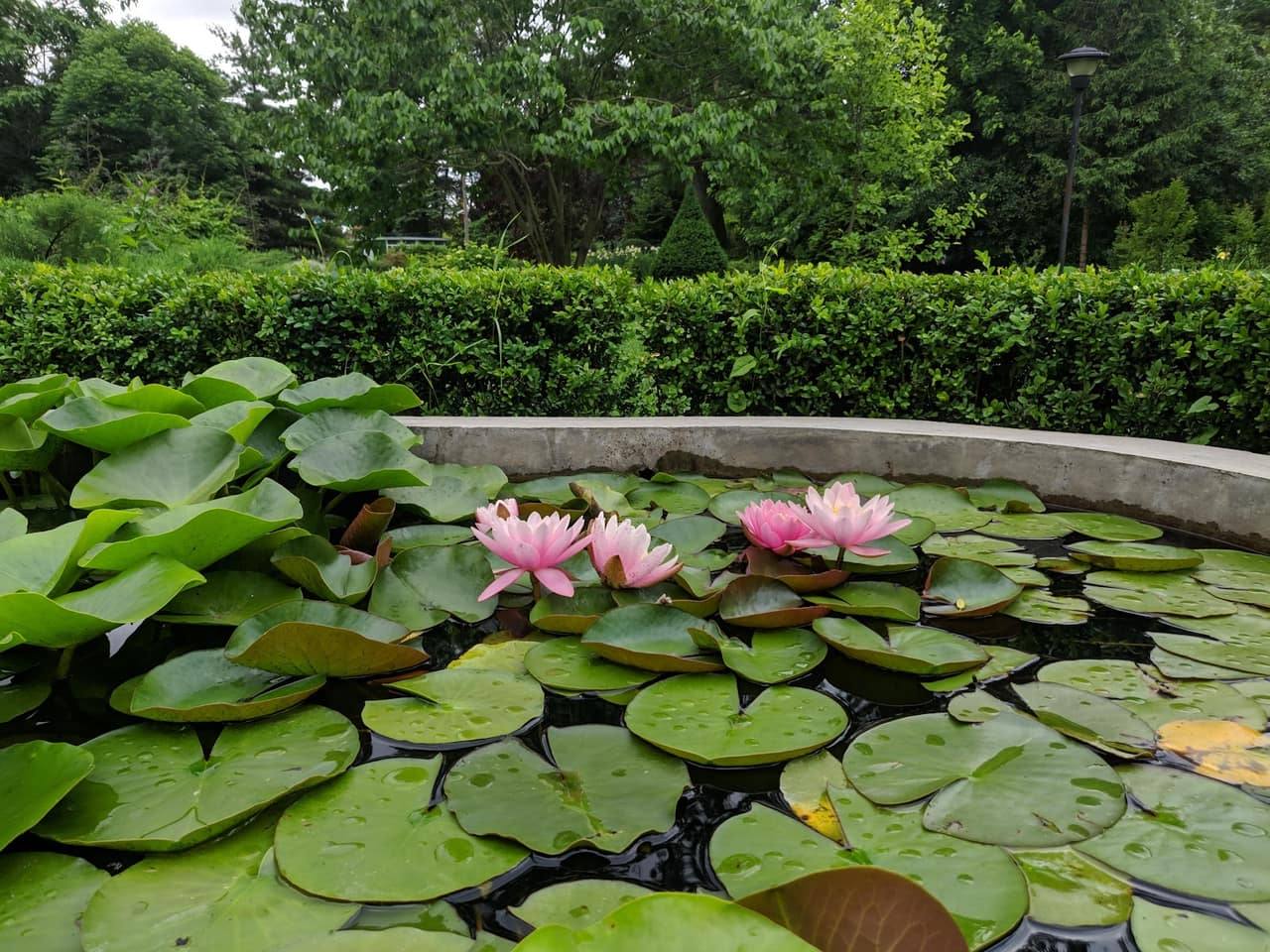
The big parks — Herastrau, Cismigiu, Tineretului, Carol, IOR — are the city's lungs and they genuinely work. Many were recently refurbished, with paths, water features and quiet zones. For the full list and details, see parks, lakes and nature.
Beyond the headline parks, a chain of lakes strung along the Colentina river — Herastrau, Floreasca, Tei, Plumbuita and others — gives the north of the city a string of waterside walks that few visitors expect in a capital this size. The Vacaresti Nature Park in the south is the unusual one: an abandoned communist-era reservoir that nature reclaimed into a wetland of reeds, birds and foxes inside the city limits, now protected as an urban natural park. Together they show that Bucharest's green capital is more than its formal gardens.
Mobility and clean transport
Public transport is the backbone of cleaner mobility: trams and an increasingly electric bus fleet, plus a metro that produces no street-level emissions. Bikes are gaining ground through rental schemes and new lanes, though the network is still patchy. Shared e-scooters are everywhere in the centre.
The single most effective thing any resident or visitor can do for the city's air is to leave the car at home for trips the metro already covers. A full tram or trolleybus replaces dozens of cars from the road, and the trolleybus network in particular has run on electricity for decades. The cycling picture is improving but honest about its limits: protected lanes exist on some boulevards and along park edges, yet they don't yet join up into a network you can cross the city on without sharing the road. Treat the bike as great for short, local trips rather than long commutes for now.
Recycling and initiatives
Separate collection exists but is uneven from sector to sector — look for the colour-coded bins and the special-waste drop-off points. A growing number of community initiatives have appeared: neighbourhood gardens, tree planting and civic groups that monitor illegal felling.
If you want to recycle properly, the practical advice is to rinse and dry packaging, keep paper, plastic/metal and glass separate, and never put electronics, batteries or used oil in the household bins — these go to dedicated collection points, which many supermarkets and pharmacies host for small items. Civic platforms let residents report illegal dumping, broken bins and missed collections, and several NGOs organise regular clean-up days in parks and along the lakeshores that anyone can join.
The awkward part
Let's be honest: traffic is chronic, and air quality drops on days with thermal inversion and in winters when the outskirts heat with wood. Parking on green space is still a problem — see parking for legal alternatives. The city is moving the right way, but it still has ground to make up.
The two stubborn pressures are the same ones most large European cities face, only sharper here: a car fleet that grew faster than the road and transit network, and dense old housing. On the worst days a temperature inversion traps exhaust, dust and smoke close to the ground, which is exactly when switching to the metro helps most. None of this is hidden — public air-quality readings are available, and the trend over the long run is toward cleaner buses, more pedestrian streets in the Old Town and slowly expanding bike lanes. Progress is real; so is the distance left to cover.