What does Bucharest look like reduced to numbers? Below is a dashboard of the essentials. Where sources don't perfectly align, the value is flagged as an estimate.
People and territory
- Population (municipality): ~1.7 million residents (estimate; Romania's most populous locality).
- Area: ~240 km².
- Density: one of the highest in Europe, above 8,000 people/km² (estimate; far higher in some central areas).
- Administrative structure: 6 sectors, each with its own town hall.
A note on the population figure: the registered, resident count is around 1.7 million, but the daytime population is considerably larger because hundreds of thousands commute in from the surrounding Ilfov county for work and study (estimate). Counting the wider metropolitan area, the figure rises well above two million. The six sectors fan out from the centre like wedges, so each one contains a slice of the city centre and a slice of the outskirts.
Metro and mobility
- Metro network: ~80 km, around 60 stations (estimate), run by Metrorex.
- Lines: 5 lines in service, M1-M5; a sixth (M6) under construction towards the airport.
- For routes and the map, see the metro page.
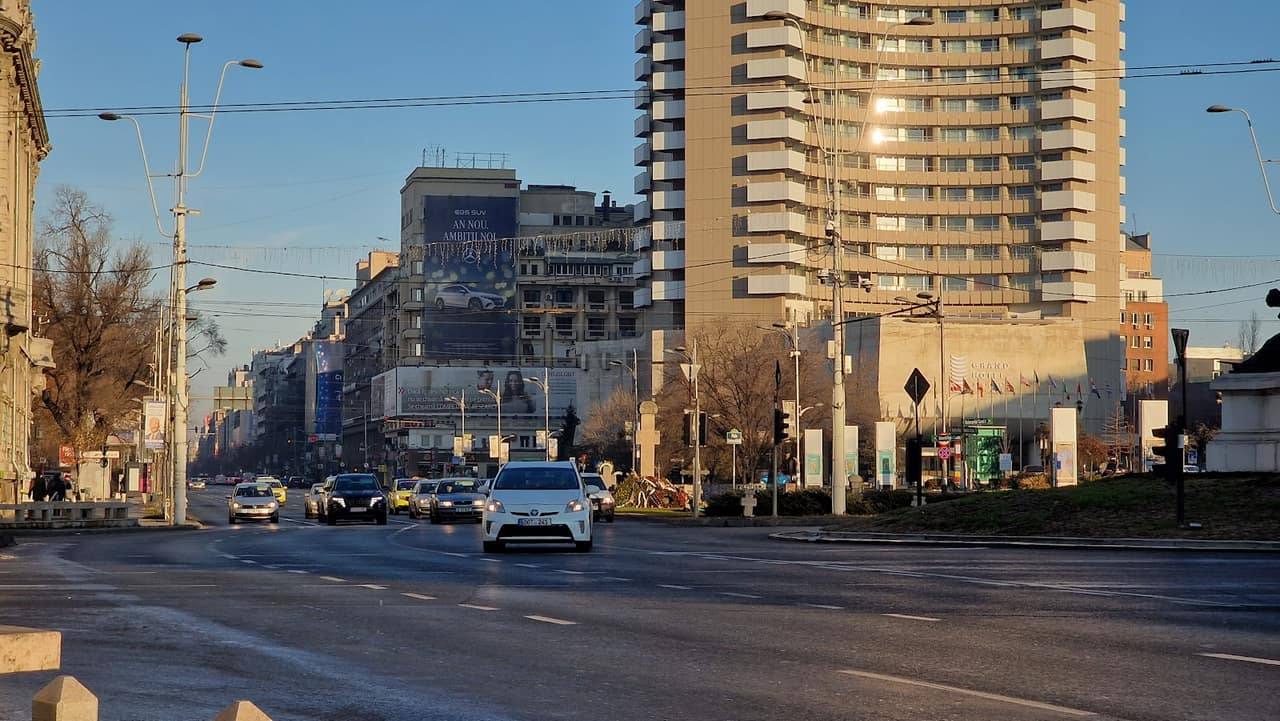
- Road traffic remains among the busiest in Europe at rush hour.
The first metro line opened in 1979, making Bucharest's the only metro system in Romania. Alongside it, the surface network operated by STB — trams, trolleybuses and buses — carries a very large share of daily trips and includes some of the busiest tram lines on the continent (estimate). The long-awaited M6 line is designed to connect the city to Henri Coandă (Otopeni) international airport, a link the capital has lacked for decades.
Green, education, economy
- Parks and gardens: dozens of laid-out parks, from the large ones (Herastrau, Cismigiu, Tineretului) to neighbourhood ones.
- Universities: dozens of higher-education institutions, public and private, with hundreds of thousands of students (estimate).
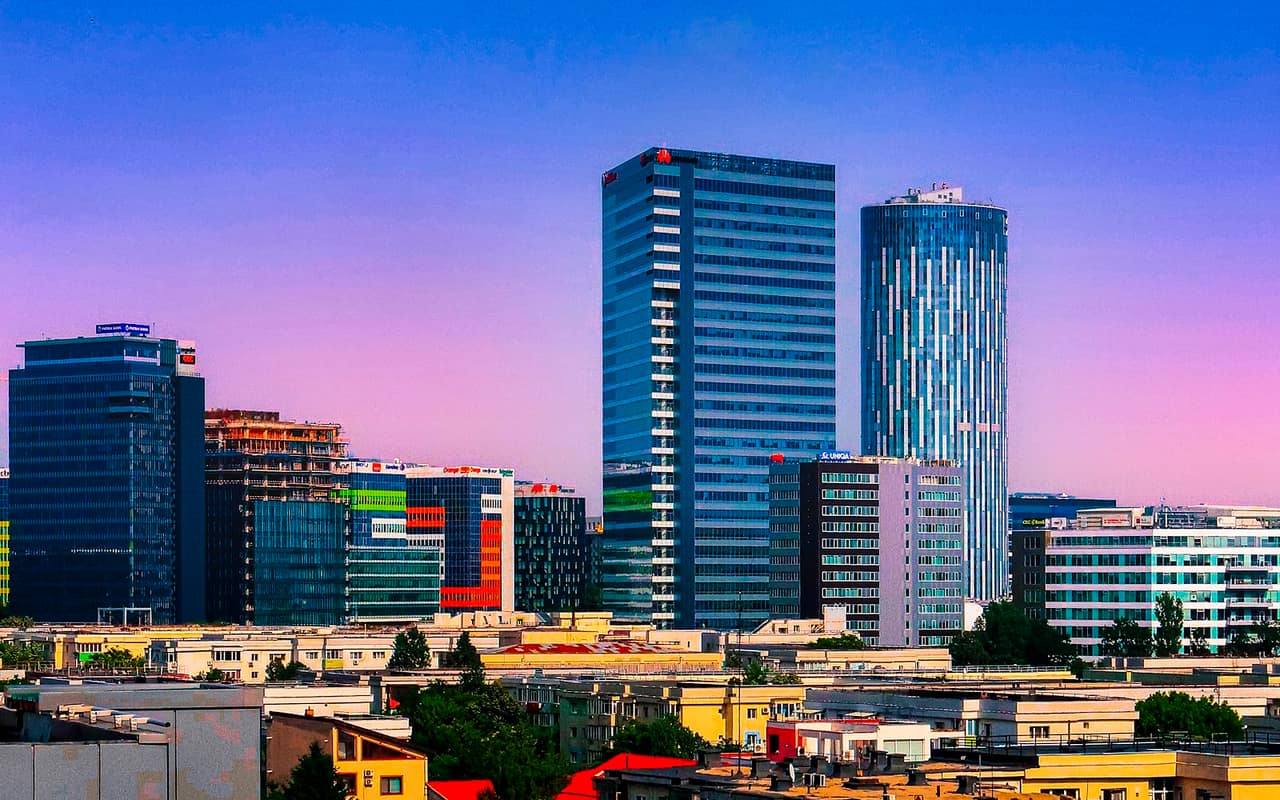
- Economy: the country's largest economic hub, accounting for a significant share of national GDP (estimate) — services, IT, finance and trade.
- Tourism: the main gateway for foreign tourists into Romania.
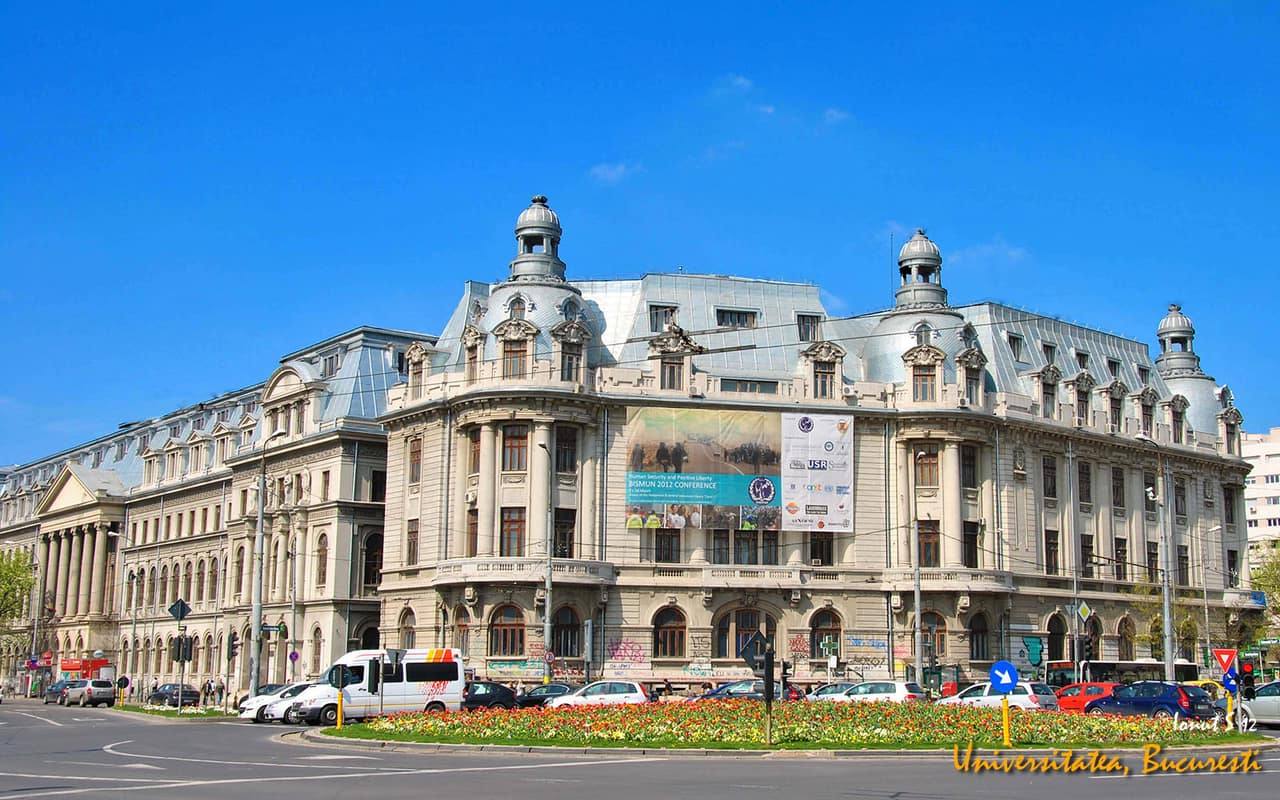
To put the green figure in context, the largest park, Herastrau (King Michael I Park), wraps around a lake of well over one square kilometre, while Cismigiu, laid out in the mid-19th century, is the city's oldest public garden. On the economic side, Bucharest's output per head is among the highest in the European Union's eastern regions (estimate), driven heavily by an IT and outsourcing sector that has grown for two decades. The university scene is anchored by long-established institutions such as the University of Bucharest and the Polytechnic, which draw students from across the country and abroad.
For deeper demographic context, see population and demographics. The figures above are reference points — for exact, up-to-date values, consult the official sources.