Bucharest is Romania's most populous city and the core of the country's largest urban agglomeration. The figures vary by source and by how the "urban area" is defined, so we treat them with caution. Numbers also depend on whether we count residents officially registered in the city or people who actually live and work here without changing their official domicile - a gap that is significant in Bucharest.
How many people live in the city
- City (municipality): about 1.7 million inhabitants at the 2021 census (roughly 1.72 million within the administrative limits).
- Metropolitan / functional area: considerably larger if we add the localities of Ilfov county, which effectively form a continuation of the city (*estimates*, depending on the definition).
- Density: the highest in Romania, over 7,000 inhabitants per km2 - a consequence of the small area (~240 km2) and the many housing estates.
The administrative structure
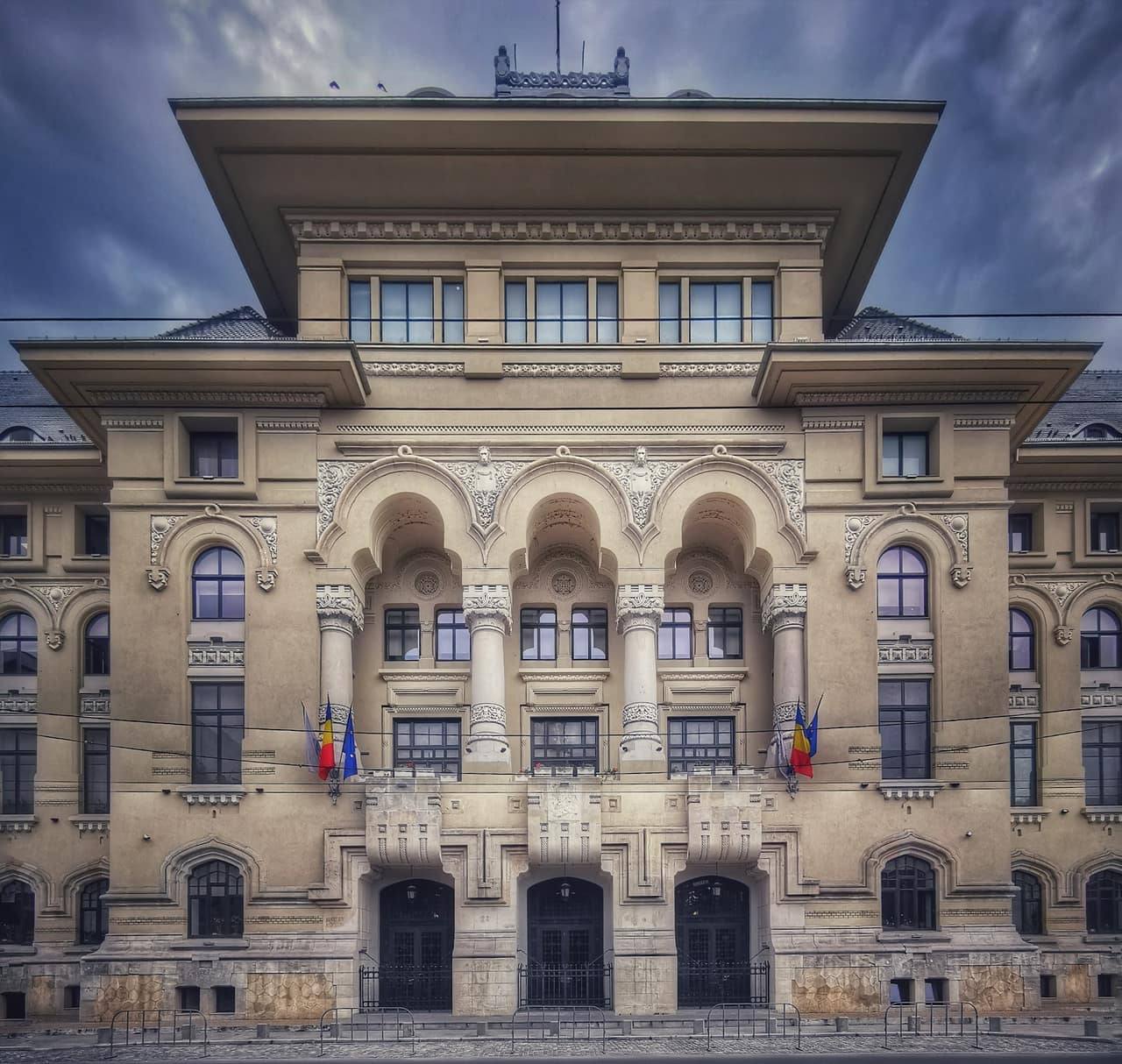
The city is divided into six sectors, each with its own town hall and local council, arranged like slices of a pie that meet near the historic centre. Population is far from evenly spread: the large socialist housing estates in the south and east hold the densest blocks of inhabitants, while the central and northern sectors mix offices, institutions and lower-density residential pockets. Above the sectors sits the General City Hall, which handles citywide matters such as major infrastructure and public transport.
Structure and dynamics
- Age structure: a slightly ageing population, as in the rest of the country, but younger than the national average thanks to the city's economic pull (*estimates*).
- Internal migration: Bucharest has drawn labour from across the country for decades; many people are officially registered in the provinces but work in the capital.
- Growing districts: the most visible expansion is on the city's edge and in the localities of Ilfov (areas such as the north of the city and the surrounding communes), where residential developments are being built intensively.
The daytime city
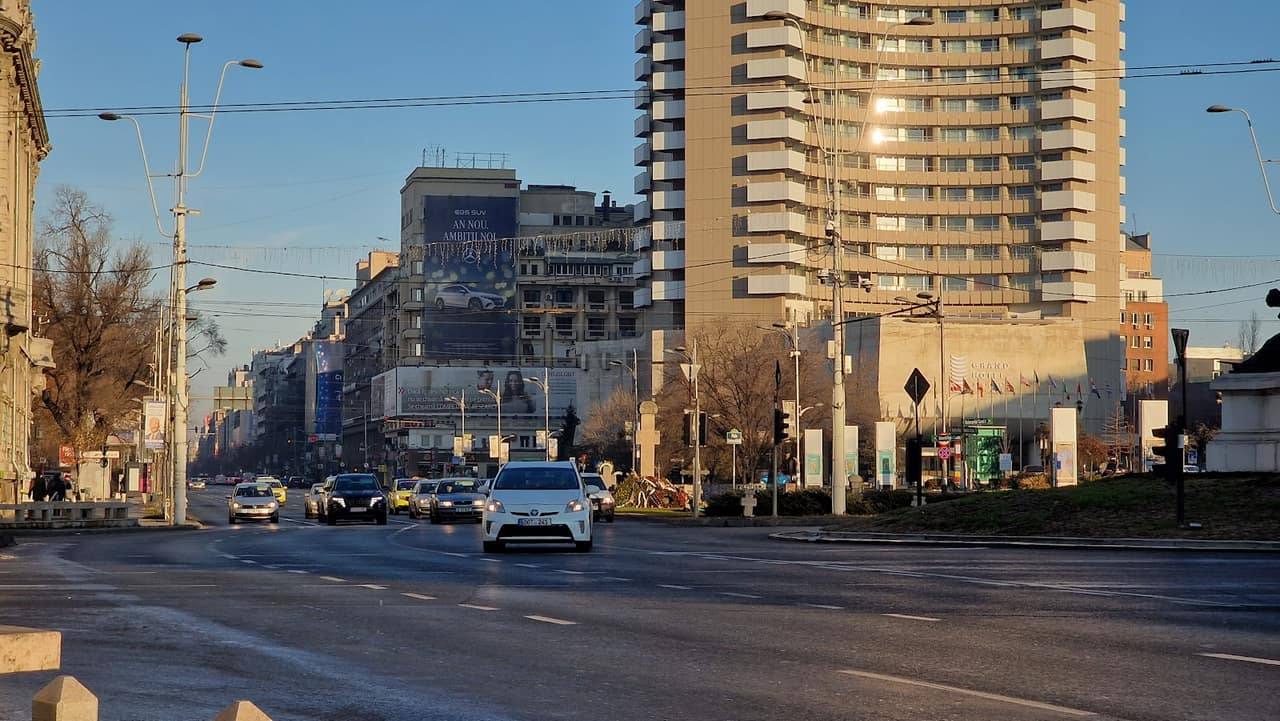
A figure rarely captured by the census is how the population swells during working hours. Each weekday morning, large numbers of commuters arrive from Ilfov and neighbouring counties, so the city's effective daytime population is noticeably higher than the resident count. This is why rush-hour traffic and the metro are so heavily loaded, and why understanding Bucharest means looking beyond the strict administrative figure.
Communities
Beyond the majority Romanian population, the city has always hosted diverse communities - historically Greeks, Armenians and Jews, and today a growing international community of foreigners arriving for work, study or business. Traces of these communities survive in the cityscape: the Armenian quarter around its church, the old Jewish area near the Choral Temple, and street and church names that recall merchants who settled here over the centuries.
To see what these areas actually look like, explore the districts of Bucharest and the public transport network that links them.