Bucharest doesn't reveal itself at a glance. It comes in layers: elegant French boulevards overlaid with communist blocks, tiny churches hidden between shops, terraces that only fill up after 8 pm. In 48 hours you can capture the essence of the city if you plan by area rather than by ticking off sights. The trick is to keep walking distances short, cluster the sights that sit close together, and leave the long metro hops for the start or end of the day. Here's how we'd do it, hour by hour, with realistic timing built in.
Before you set off, a word on rhythm: Bucharest rewards the unhurried. Two days is enough to feel the city if you resist the urge to sprint between landmarks. Wear comfortable shoes, because the centre is best on foot, and keep a contactless card handy for the metro and buses.
Day 1, morning: the Old Town in peace
Start early, around 9 am, when the cobbled streets of the Old Town are still empty and photogenic. Begin at Stavropoleos Church, one of the loveliest small churches in the city, with a quiet inner courtyard and old gravestones. It's a stone's throw from Manuc's Inn, the only commercial inn still operating since the 19th century.
From there, walk up to Carturesti Carusel, the bookshop with a white facade and spiral staircases that has become an Instagram landmark. Even if you buy nothing, it's worth going up to the top floor for the atmosphere and the cafe upstairs.
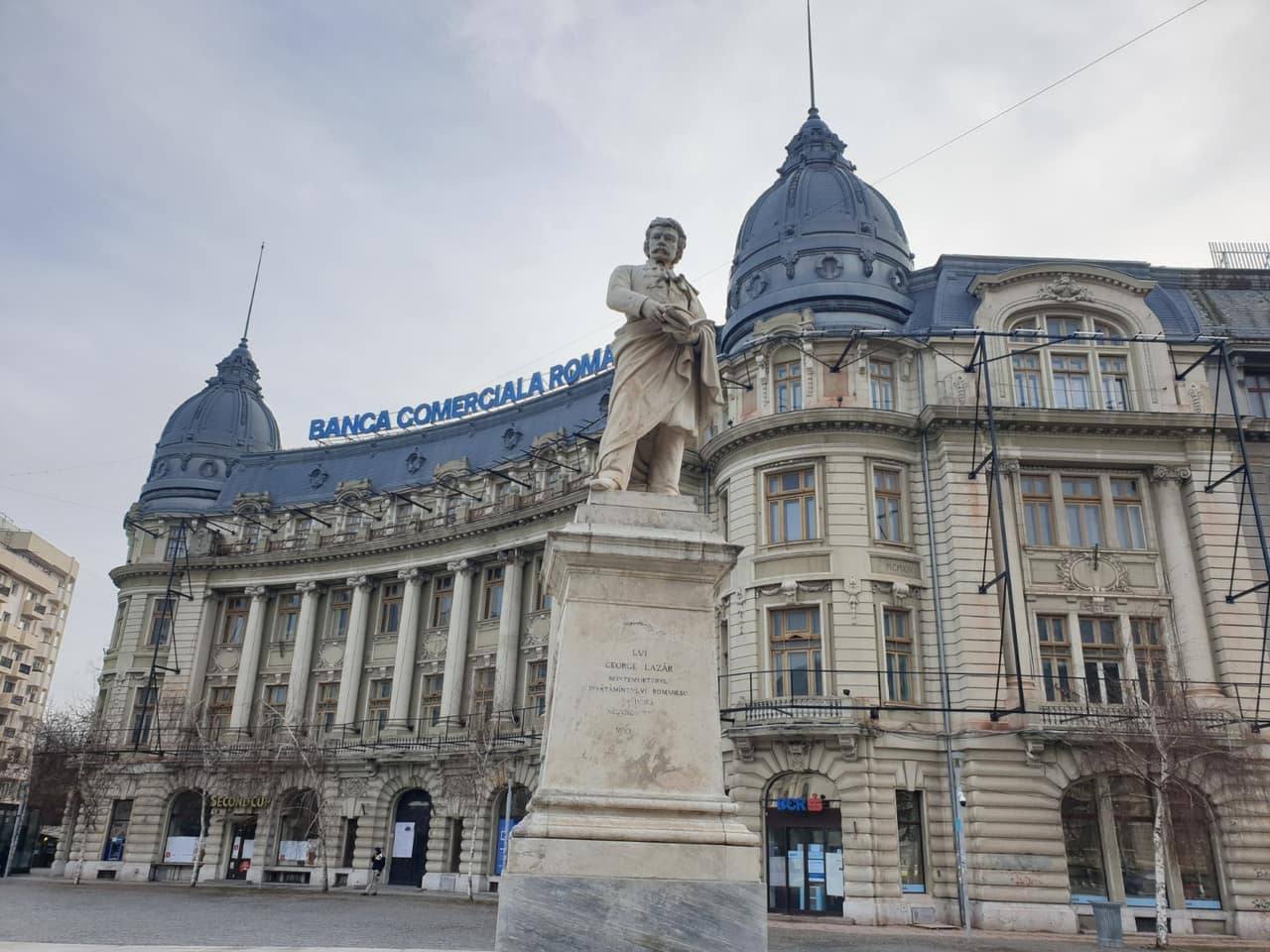
While you're in the area, take a slow loop through the surrounding lanes. The Old Town is compact, so wandering without a fixed plan often turns up the best details: a passage you didn't expect, a facade mid-restoration, a tiny courtyard. The CEC Palace and the old National Bank building nearby are worth a glance from the outside even if you don't go in.
Day 1, lunch and Calea Victoriei
For lunch, head out of the Old Town toward Calea Victoriei. You'll find everything from classic Romanian cooking to modern bistros; check our restaurants list to pick a verified, well-reviewed spot near your route.
The afternoon is dedicated to the cultural axis along Calea Victoriei:
- The National Museum of Art of Romania, the former Royal Palace, with European and old Romanian art galleries.
- The Romanian Athenaeum, the domed, fresco-lined concert hall that is the city's musical symbol. If it's open to visitors, step in for even ten minutes.
- The shop windows and interwar buildings along the way, up to Revolution Square.
Take your time on this stretch: Calea Victoriei is the city's grandest avenue and rewards a slow pace. Revolution Square itself carries heavy history, the memorial marking the 1989 events stands here, so it's worth a pause to read the context rather than just passing through.
You'll find more places to see in the attractions section.
Day 1, evening: Old Town nightlife
In the evening you return to the Old Town, which changes character completely after dark. The terraces fill, the bars come alive, and the area becomes the centre of nightlife. For verified, well-rated venues, see our clubs. If you want something more refined, the Floreasca-Dorobanti area has quieter cocktail bars.
A practical tip: the Old Town gets loud and busy at weekends, so if you're after conversation over volume, arrive earlier in the evening or pick a venue a street or two off the main drag. Either way, it's an easy walk back to most central accommodation.
Day 2, morning: the Palace of Parliament
The second day starts on a monumental note. The Palace of Parliament is the second-largest administrative building in the world and can only be visited on a guided tour, by appointment and with photo ID. Check the official schedule and book ahead, especially on weekends. The tour lasts about an hour.
Plan to arrive a little before your slot, as security checks take time and you'll need your ID matched to the booking. The scale of the building is hard to grasp from photos alone, so even visitors who expect to be unimpressed usually leave a little stunned.
Day 2, lunch: Herastrau and the Village Museum
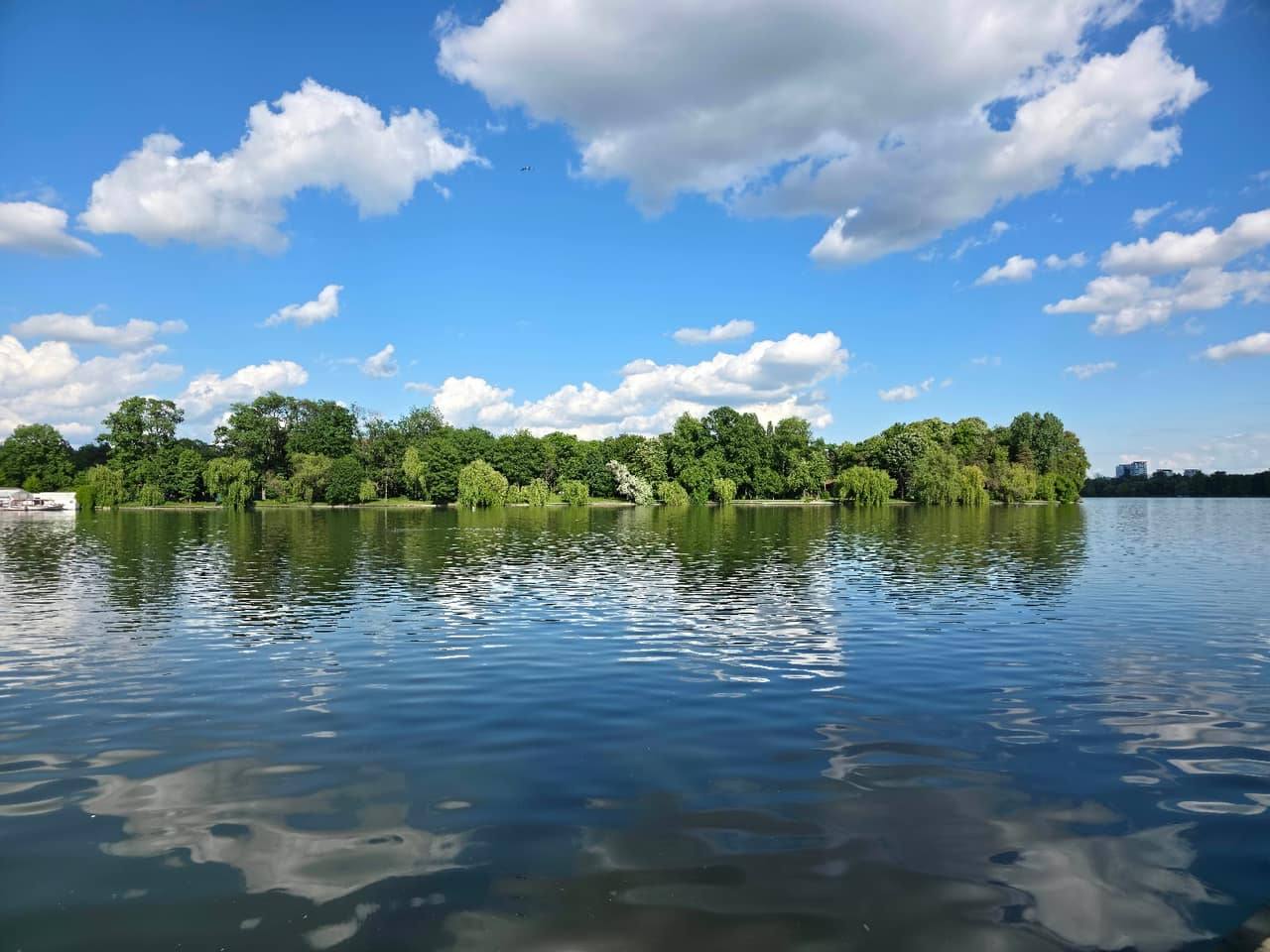
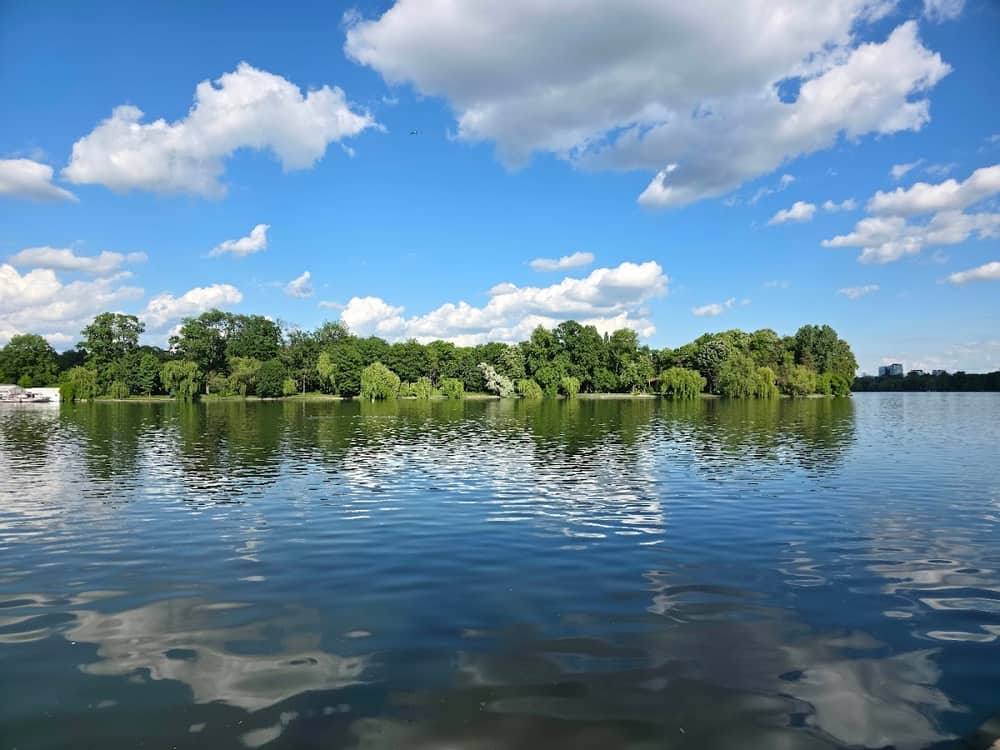
In the afternoon, switch register entirely: take the metro north toward Herastrau and King Mihai I Park. This is also home to the Village Museum, an open-air museum with authentic peasant houses brought from across the country, perfect for a relaxed stroll.
For lunch, the lakeside has terraces; pick something from restaurants if you want a verified spot. The park is large, so factor in a gentle walk along the lake, in good weather you can rent a boat or simply sit and watch the city slow down.
Day 2, afternoon: winding down
End your trip in one of two ways, depending on your energy:
- Therme Bucuresti, the thermal spa complex outside the city, ideal if you want to relax after two days on your feet. Check opening hours and transport.
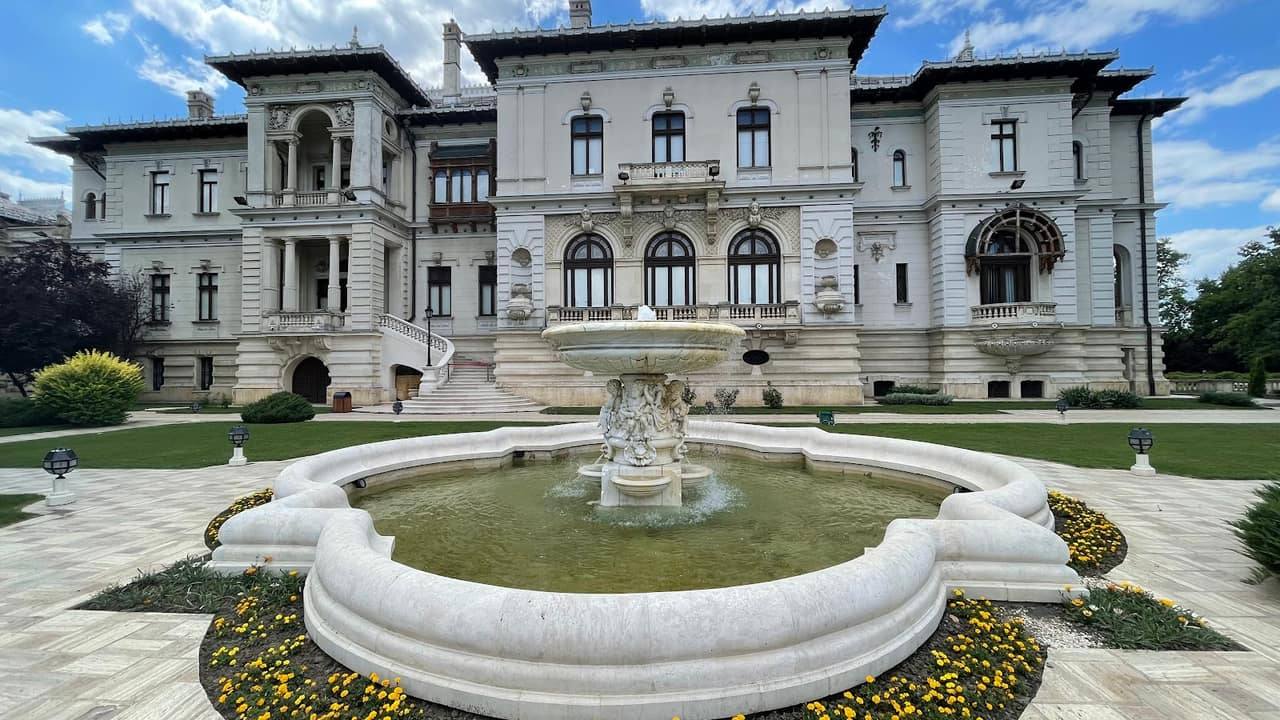
- Cotroceni Palace, if you prefer one more dose of culture; visits are by appointment.
If you still have an hour to spare, the Cismigiu Gardens near the centre are a calm, leafy alternative for a final stroll, an easy way to end on a quiet note without committing to another paid attraction.
For getting around, use the metro and public transport. If you're flying in or out, see our airport guide.
Practical tips for two days
- Tickets and payment: the metro costs 5 lei per trip, buses use contactless on board. Keep a bank card or phone ready and you'll rarely need cash.
- Walking vs metro: in the centre, walk; for Herastrau or the spa, use the metro or a ride-hailing app.
- Timing: mornings for sights and photos, evenings for terraces. Museums often close on Mondays, so check before you go.
- Booking: reserve the Palace of Parliament and any house-museum (Cotroceni) ahead, especially at weekends.
FAQ
Are 48 hours enough for Bucharest?
Yes, to capture the essence. Two days comfortably cover the Old Town, Calea Victoriei, the Palace of Parliament and the parks. For in-depth museum visits or a day trip to Snagov you'll want an extra day.
Can I visit the Palace of Parliament without booking?
It's strongly recommended to book ahead and carry photo ID. Guided tour slots fill quickly on weekends. Check the official schedule before your visit.
What's the best way to move between sights?
The metro for long distances (for example to Herastrau) and walking in the centre, where the sights are close together. See public transport for details.
When is the Old Town liveliest?
In the evening, after 8 pm, when the terraces and bars fill up. The morning is ideal for photos and a quiet walk.
What should I do if it rains?
Lean on the indoor sights: the museums along Calea Victoriei, Carturesti Carusel, and the Palace of Parliament tour all work well in bad weather. Therme Bucuresti is also a strong rainy-day option.
Is two days enough to see anything outside the city?
Realistically, no, not without sacrificing the centre. Snagov Monastery or other day trips deserve a third day; with only 48 hours, focus on Bucharest itself.
Where should I base myself for two days?
Anywhere central, near the Old Town, University, or Calea Victoriei, so you can walk to most day-one sights and reach the metro easily for day two. See the neighbourhoods guide to choose.