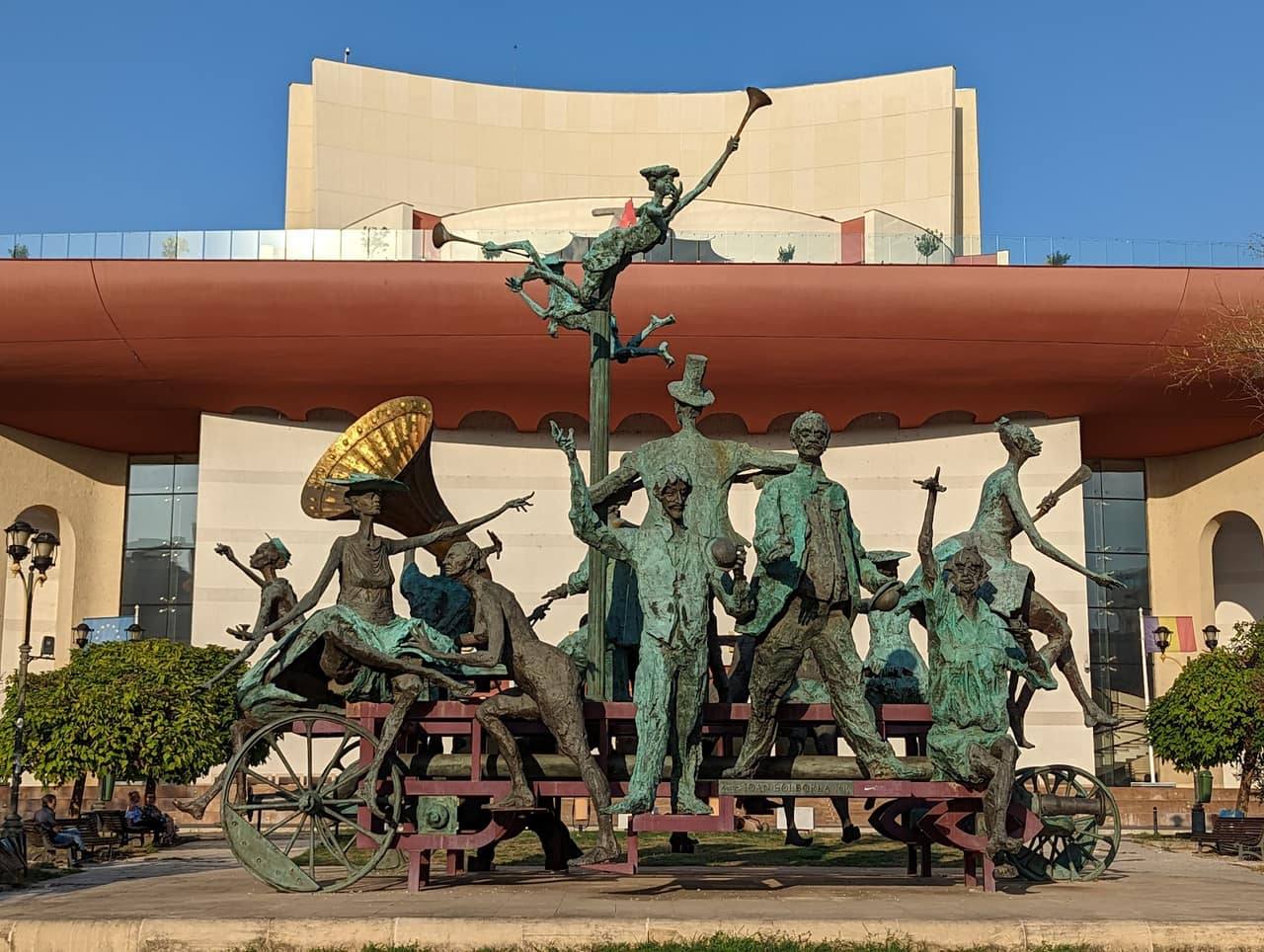
Bucharest does not have a single cultural identity but several that coexist — the classical institution and the club basement, the grand museum and the neighbourhood gallery. That is what gives the city its contradictory energy. Unlike cities built around a single cultural landmark, the capital spreads its artistic life across several zones: the historic centre, the Calea Victoriei axis, neighbourhoods such as Cotroceni or Dorobanți, and converted spaces inside former factories.
Theatres and museums
The theatre scene is one of the densest in Eastern Europe, from the "I. L. Caragiale" National Theatre to independent venues. Beyond the National Theatre on Nicolae Bălcescu Boulevard, the city has long-standing institutions such as the Bulandra Theatre, the Odeon Theatre, the Mic Theatre, the Nottara Theatre and the Comedy Theatre, joined by the Bucharest National Opera and the "Ion Dacian" National Operetta and Musical Theatre. The museums span the full spectrum — art, history, ethnography, science — and many occupy landmark buildings. See the selection under attractions.
Cinema, galleries, the visual scene
The city keeps historic cinemas alongside multiplexes, and its gallery circuit — from institutional spaces to private initiatives — supports an increasingly serious contemporary art market. Cinema Pro, the Eforie Cinematheque and the Elvire Popesco cinema (run by the French Institute) screen art-house films and retrospectives, while the mall multiplexes cover the big releases. On the visual-art side, centres such as MNAC (the National Museum of Contemporary Art), Salonul de proiecte and the galleries around the Plantelor area and along Calea Victoriei form a network a visitor can cover in a single weekend.
Festivals and nightlife
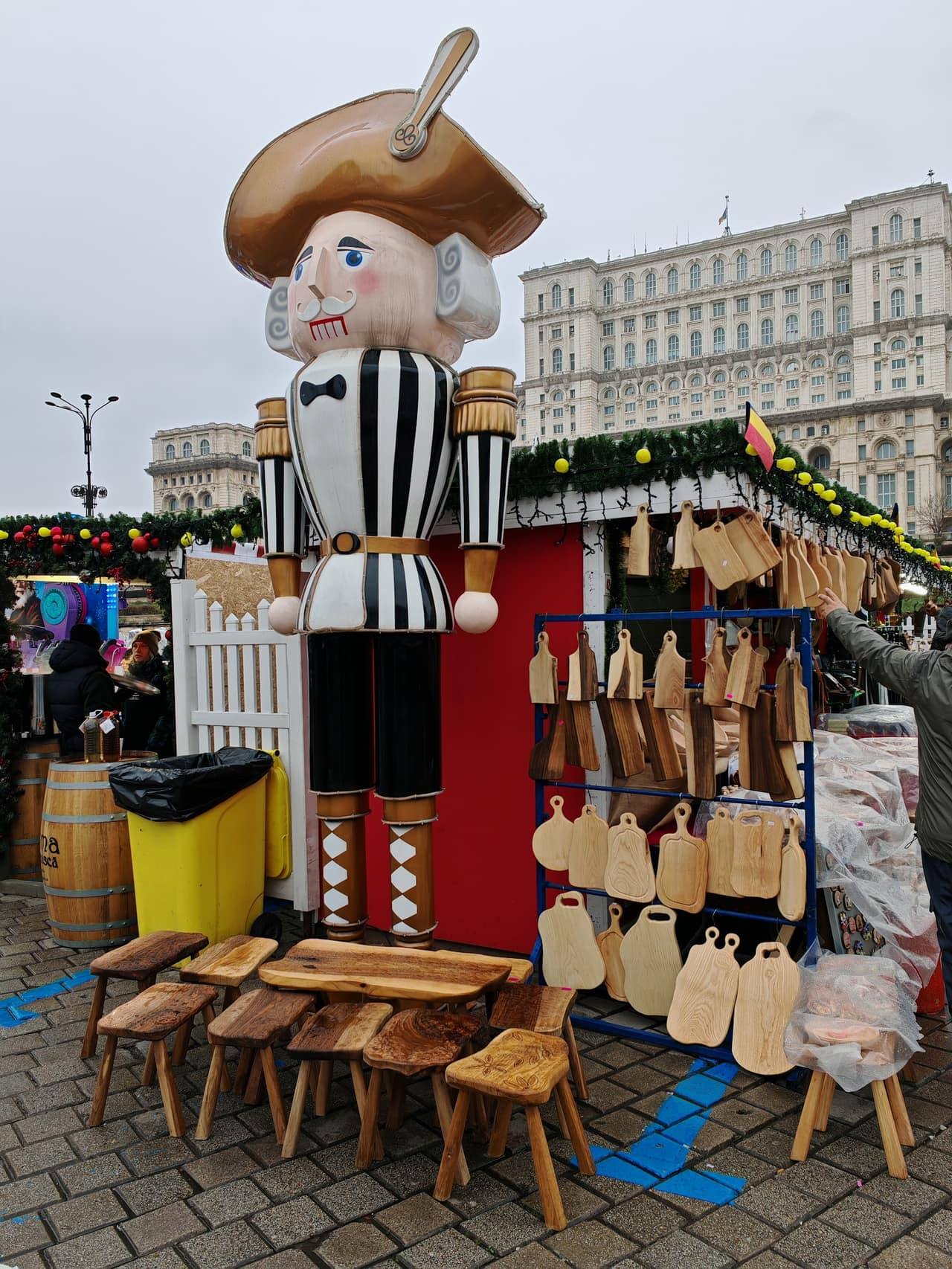
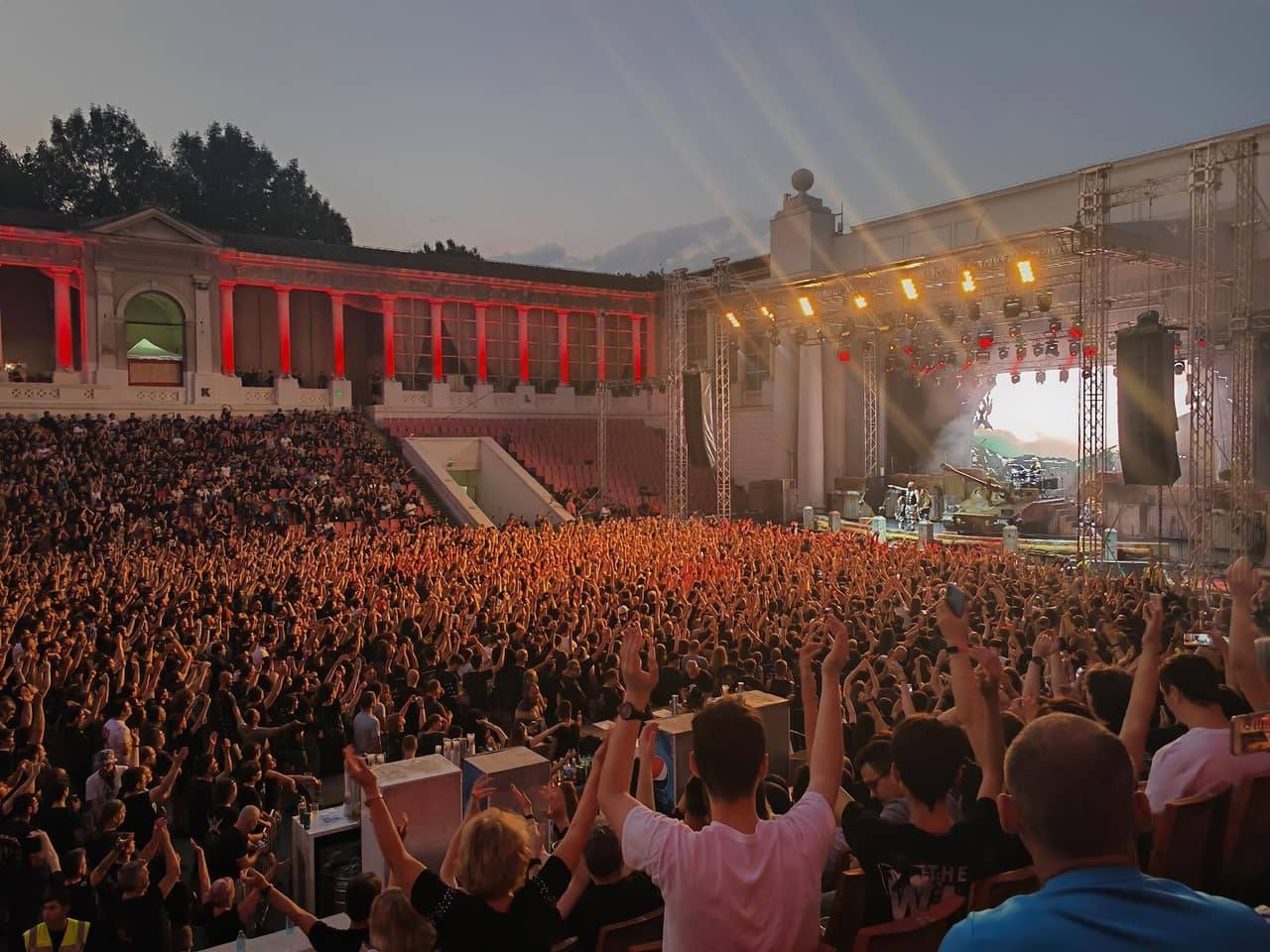
The cultural calendar fills seasonally with music, film, and urban-art festivals; for what is on, see events. Recurring fixtures include the "George Enescu" International Festival (held every two years in autumn), the National Theatre Festival, TIFF (with a Bucharest edition), Les Films de Cannes à Bucarest, and the street festivals that animate the city's summers. After dark, the energy shifts to the clubs and the terraces of the Old Town — Bucharest has one of the liveliest nightlife scenes in the region.
Independent spaces and creative neighbourhoods
Beyond the big institutions, much of the cultural life happens in converted spaces and independent associations. Former industrial halls, workshops and inner courtyards have become clubs, galleries and event venues, while neighbourhood initiatives — bookshop-cafés, community centres, open studios — keep the scene alive between festivals. This is where you best see the city reinventing itself from the ground up.
The creative city
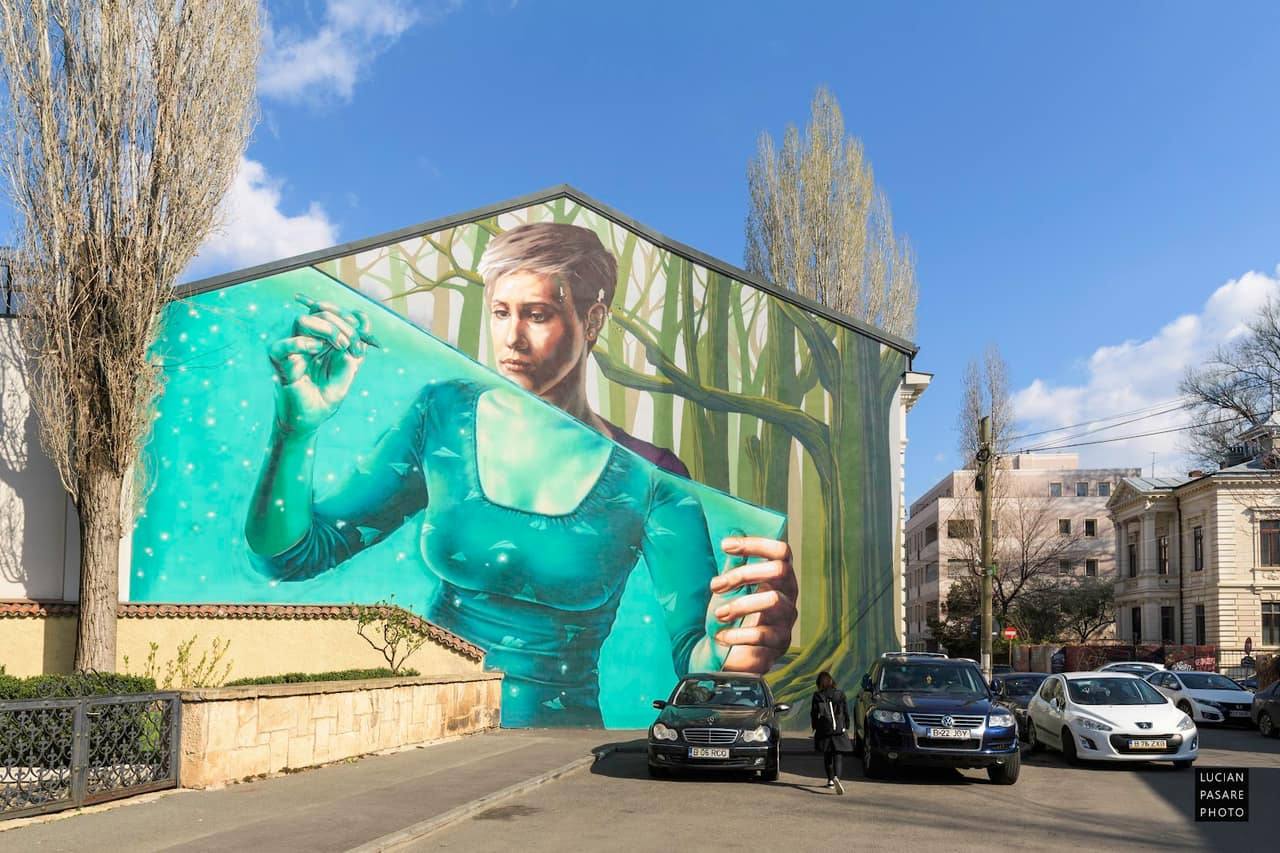
The urban identity shows in the details: street art across entire blind walls, commemorative plaques, preserved old shopfronts, neighbourhoods reinventing themselves. The capital works like a laboratory where the old and the new rub against each other. For a visitor, the best way to read it is not to tick off landmarks but to walk attentively: the contrast between an interwar palace and a communist block, between an eighteenth-century church and a packed terrace, says more than any guidebook.
Practical tip
Combine one "big" landmark (a museum or a concert hall) with a slow walk through a neighbourhood in a single outing — that way you catch both the institution and the everyday life of the city. Check institutions' schedules before you go, since many theatres and museums have a closing day early in the week.