You have moved to Bucharest, or you're about to. The good news: it's a city you learn fast once you understand two things — how the neighbourhoods are arranged and how transport works. The rest follows. The cost figures below are strictly rough estimates and vary a lot; check the current market.
Choosing a neighbourhood
The first decision is the area, not the flat. Ask yourself: how far do you commute, what's your budget, what evening life do you want. The northern districts (Primăverii, Dorobanți, Floreasca, Aviației) are expensive and quiet; the east and south (Titan, Berceni, Drumul Taberei) are more affordable and well linked to the metro. The centre puts everything within walking distance, but it's noisy. Start from the districts map.
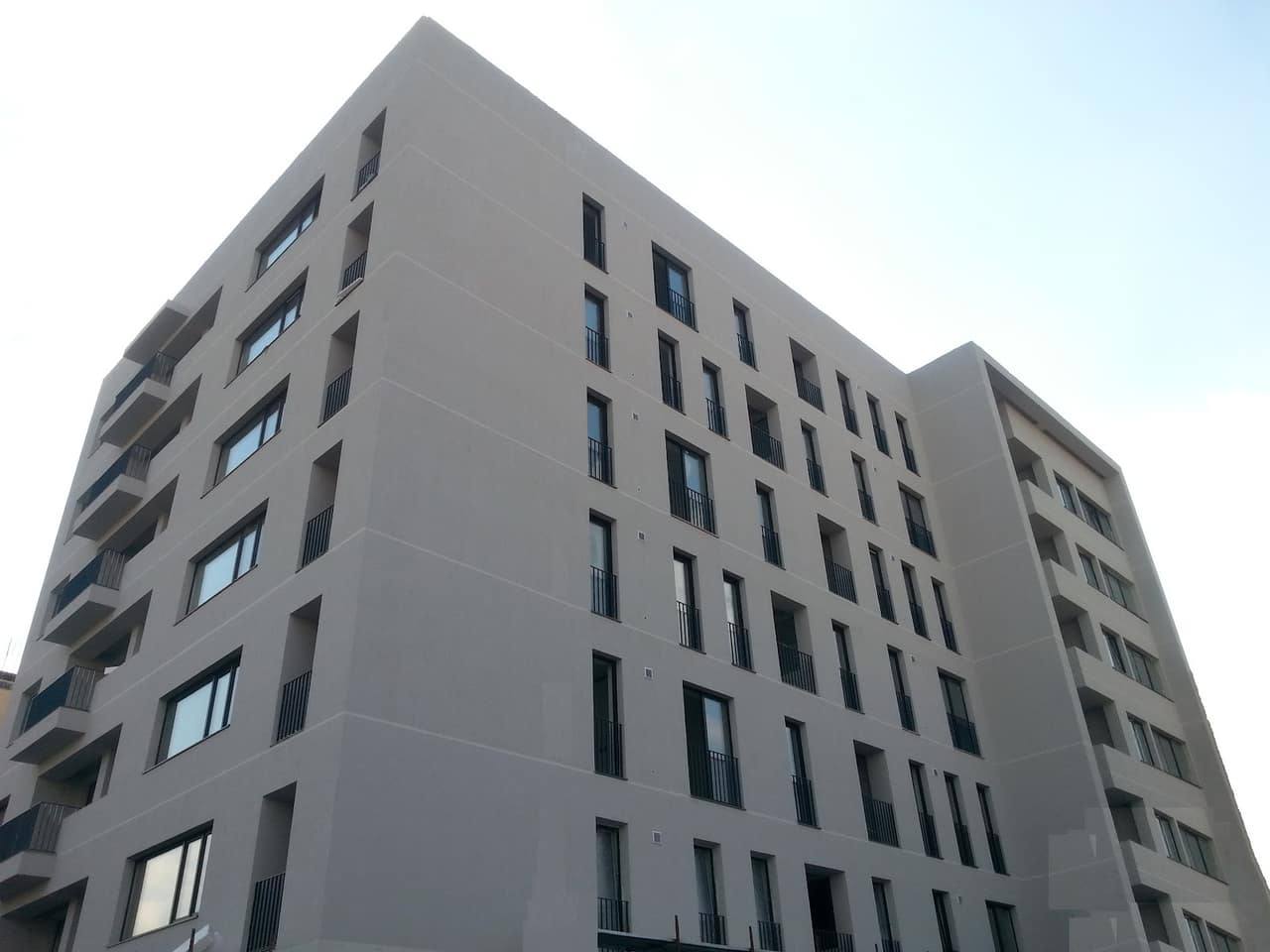
A useful rule of thumb: spend a weekday morning and a Friday evening in any area you're seriously considering, so you feel both the commute and the night-time noise before you sign anything. Walk the streets around the block, find the nearest grocery shop, pharmacy and bus or metro stop, and notice whether the building has its own parking. Old inter-war houses in the centre have character but thin walls and patchy heating; the 1960s–80s blocks across Titan, Berceni and Drumul Taberei are solid and predictable; the new developments in the north and around Pipera offer modern fittings but often sit far from a metro station.
Rents and costs (rough)
Rents depend hugely on the area and the state of the flat — the north costs significantly more than the east or south for the same surface. In your monthly budget include utilities (electricity, gas, water, internet), the transport pass and food. Use these figures only as orders of magnitude, not firm prices; the market moves month to month.
Beyond the monthly rent, budget for the up-front costs that catch newcomers out: most landlords ask for a security deposit (commonly one month's rent) plus the first month in advance, and if you go through an agency there is usually a separate commission. Read the contract for who pays the building maintenance charge ("întreținere"), which covers shared heating, cold water, lift and cleaning and can swing a lot between summer and winter. Set up utility accounts in your name where possible, and keep meter-reading photos from your move-in day so the final bill is never disputed.
Transport
Bucharest has a metro, plus a dense network of trams, trolleybuses and buses. If you live near a metro station you can live without a car. See public transport for how to pay and combine routes. By car, reckon with traffic and parking — paid and scarce in the centre.
The metro is run by Metrorex; the surface network of trams, trolleybuses and buses is run by STB (Societatea de Transport București). They use separate ticketing, so a regular commuter usually buys the integrated monthly pass that covers both. Contactless bank-card payment is accepted on much of the surface network and is the simplest option for a newcomer. Ride-hailing apps work well and are cheaper than in most Western capitals, which makes them a sensible bridge while you learn the routes.
Families, students, expats
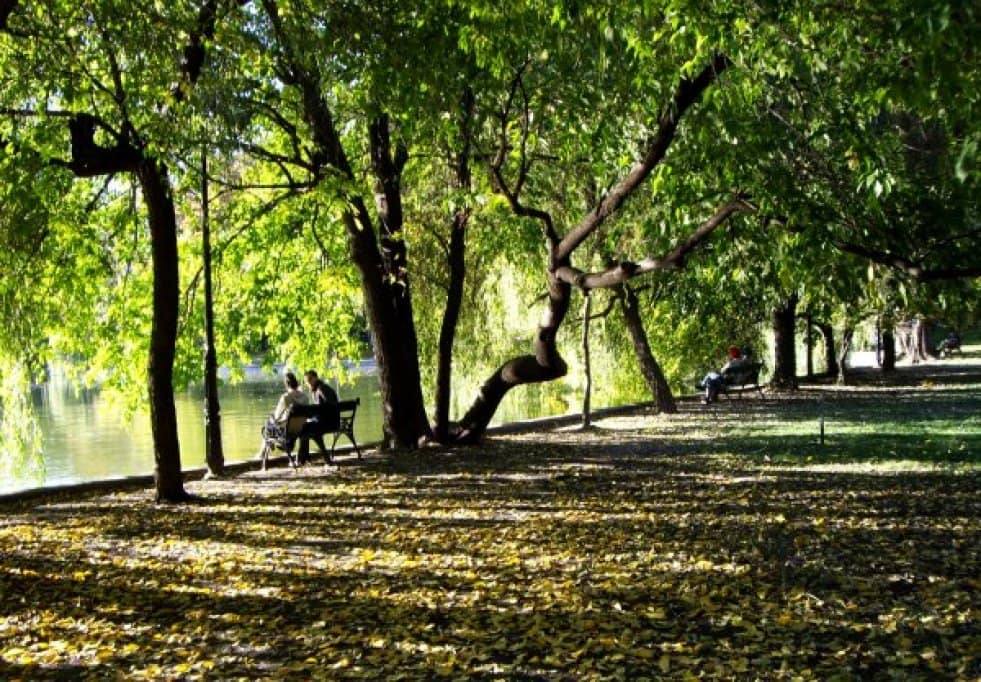
- Families — look for green, quiet areas with good schools: the north, but also Titan (next to IOR park) or Drumul Taberei. See parks and nature.
- Students — Centre, Tei, Grozăvești, Regie — close to campuses and the nightlife of the Old Town.
- Expats — the north (Primăverii, Dorobanți, Aviației) concentrates the international community, schools and offices.
Schools and safety
There are state schools (assigned by address) and private/international ones, many in the north. Bucharest is, on the whole, a safe city for a European capital; normal big-city precautions are enough. For any emergency, the number is 112.
State enrolment is tied to your registered address, so the catchment school depends on where you live — worth checking before you commit to an area if you have children. International schools (with English, French or German programmes) cluster in the north and around Pipera and fill up early, so apply well ahead. As for safety, the usual city sense applies: keep an eye on your phone in crowded markets and on packed trams, and prefer licensed taxis or apps late at night.
Your first weeks
Sort the administrative side first — see Bucharest, the practical layer for documents, taxes and reports — then explore the food scene (restaurants), the nightlife (clubs) and the events. The city opens up to you within a few months.
A short starter checklist for the first month: register your address, sort a Romanian SIM and a local bank account, set up utilities and internet, buy a transport pass, and find your nearest family doctor (medic de familie) and pharmacy. Once the admin is done, the fun part begins — Bucharest rewards curiosity, and the quickest way to feel at home is to pick one neighbourhood café, one park and one market and make them yours.