Bucharest collects strange stories, records and forgotten firsts. Here's a selection of verifiable curiosities — the ones we couldn't confirm were left out or flagged as legend.
Records and firsts
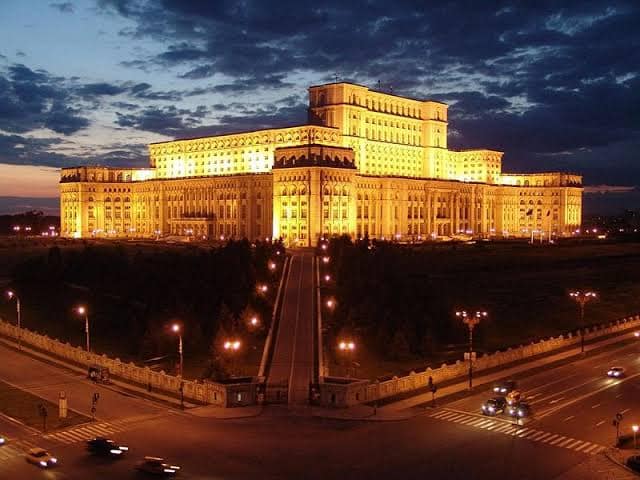
- The heaviest building in the world. The Palace of Parliament holds the Guinness record for the heaviest building — a colossus of concrete, steel and marble that, under its own weight, sinks slightly into the ground each year. Find it on the attractions list.
- The first city in the world lit by kerosene lamps. In 1857, Bucharest lit its streets with around 1,000 kerosene (petroleum) lamps — a world first, fuelled by Romanian oil refined at Ploiesti.
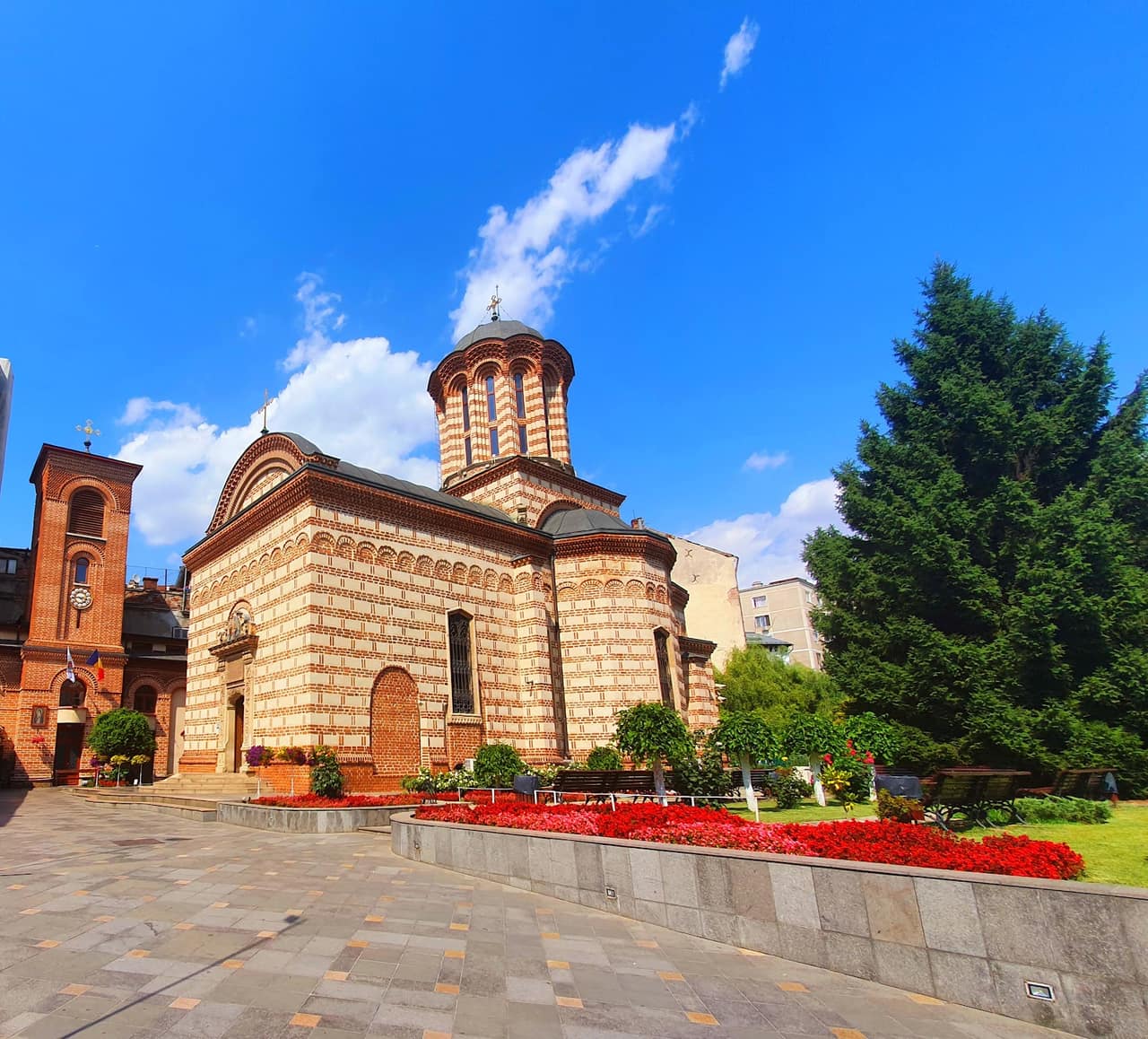
- The capital's founding document comes from Dracula. The first document to mention Bucharest was issued on 20 September 1459 by Vlad the Impaler, whose residence stood here — at Curtea Veche, the city's oldest medieval monument.
The Palace of Parliament keeps breaking superlatives: it is also widely cited as the heaviest administrative building and among the largest in the world by floor area, built almost entirely from Romanian materials during the 1980s. Below it runs a network of corridors and bunkers, much of it never finished and still closed to the public, which has fed decades of urban legend. It is so large that a good part of it stands empty to this day.
Places with a story
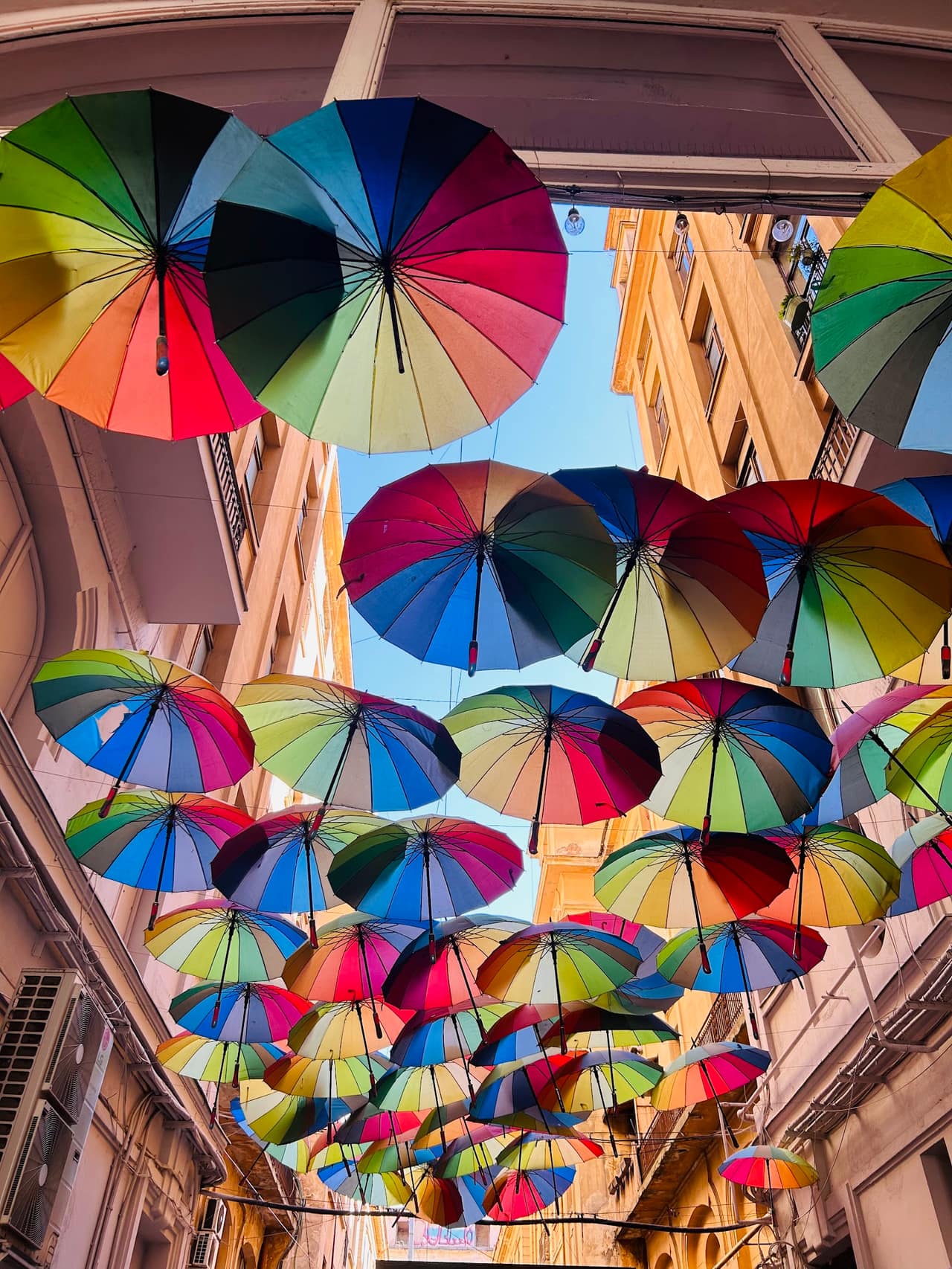
- The umbrella passage. Pasajul Victoria earned its fame with a suspended canopy of colourful umbrellas, now one of the most photographed spots in the city.
- The Y-shaped passage. Macca-Vilacrosse, the yellow glass-roofed arcade opened in 1891, has an unusual forked shape: the route had to wrap around a hotel whose owner refused to sell. It hosted the city's first stock exchange.
- The most beautiful bookstore. Carturesti Carusel, set in a former bank building on Lipscani, is consistently praised among the most beautiful bookstores in the world.
These three sit within a short walk of each other in and around the Old Town, which makes a single afternoon enough to see them all. The glass roofs of Macca-Vilacrosse were a deliberate echo of the covered Parisian passages, in keeping with the city's "Little Paris" ambitions of the era. Carturesti Carusel's white spiral balconies and central atrium are themselves the attraction as much as the books, and entry is free — you can simply walk in and look up.
Little Paris
Towards the end of the 19th century, after a wave of French-style construction and wide boulevards like Calea Victoriei, Bucharest earned the nickname "Little Paris of the East". Many architects had trained in Paris, and the comparison stuck. Walk the historic quarters today — see neighbourhoods — and the layers of that era still show beneath the dust of the present.
The label was more than flattery: the city even built its own triumphal arch, the Arcul de Triumf, in the north on the road toward the airport, rebuilt in stone in the 1930s to celebrate Romania's role in the First World War. Belle Époque mansions, French-inspired façades and the boulevards laid out in that period still define the look of the central districts. The two world wars, the 1977 earthquake and the demolitions of the communist era erased much of it — which is exactly why the surviving fragments are worth seeking out.