Bucharest is a sprawling city with traffic that can be hellish at peak hours, but with a transport system that, once you understand it, takes you anywhere efficiently. The key is to combine the metro for long distances with walking in the centre and ride-hailing when needed. There's no single mode that's best for the whole city: the trick is choosing the right one for each route and time of day. Here's the complete guide, with real fares for 2026.
The metro: the backbone
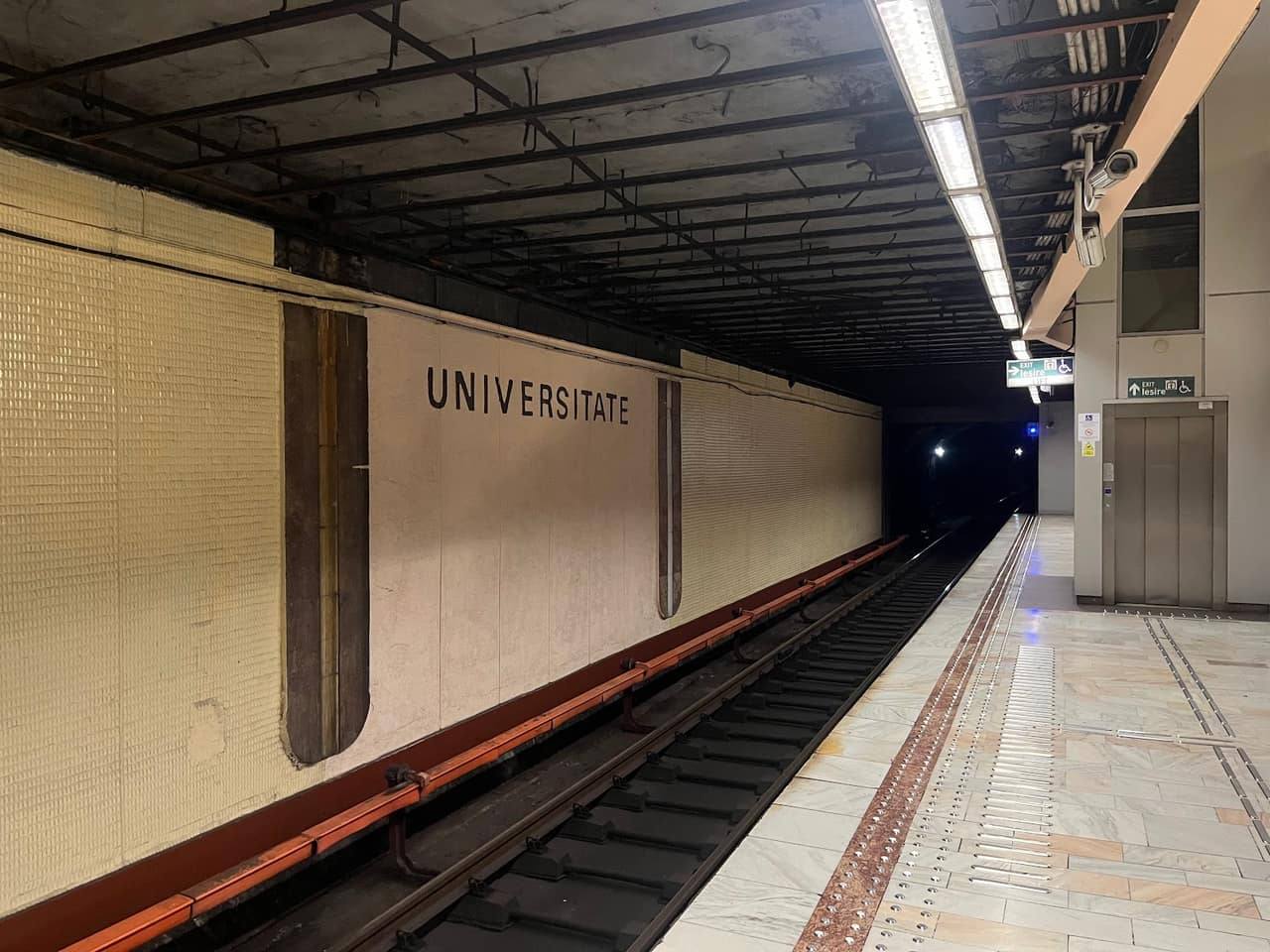
The metro is the fastest way to cross the city, because it bypasses surface traffic entirely. The network has lines M1-M5, which cover most major areas and intersect at key stations, where you can switch lines without leaving the system.
- The fare is 5 lei per trip in 2026.
- Note: there is no reliable official real-time information system for train arrivals, so don't rely on apps that promise it.
- Stations are well signposted, including in English, and network maps are displayed on platforms and inside the carriages.
- At peak hours trains run at short intervals, so there's no need to plan around an exact timetable.
- If you can, avoid the busy morning and evening windows, when platforms and carriages fill up quickly.
It's the ideal mode on long north-south and east-west routes, especially when surface traffic is gridlocked.
STB: buses, trams and trolleybuses
On the surface, public transport is run by STB and includes buses, trams and trolleybuses, which cover the areas the metro doesn't reach and complete the underground network.
- You pay with the Activ/Multiplu card or contactless directly with your bank card or phone, very convenient for tourists who don't want to hunt for ticket machines.
- Validate every time you board; inspectors do operate, and the fine is far larger than the fare.
- Trams are useful on certain routes, though they can be slower because of traffic, since many lines don't have a separate right of way.
- Trolleybuses and buses cover the neighbourhoods and feed into the metro stations.
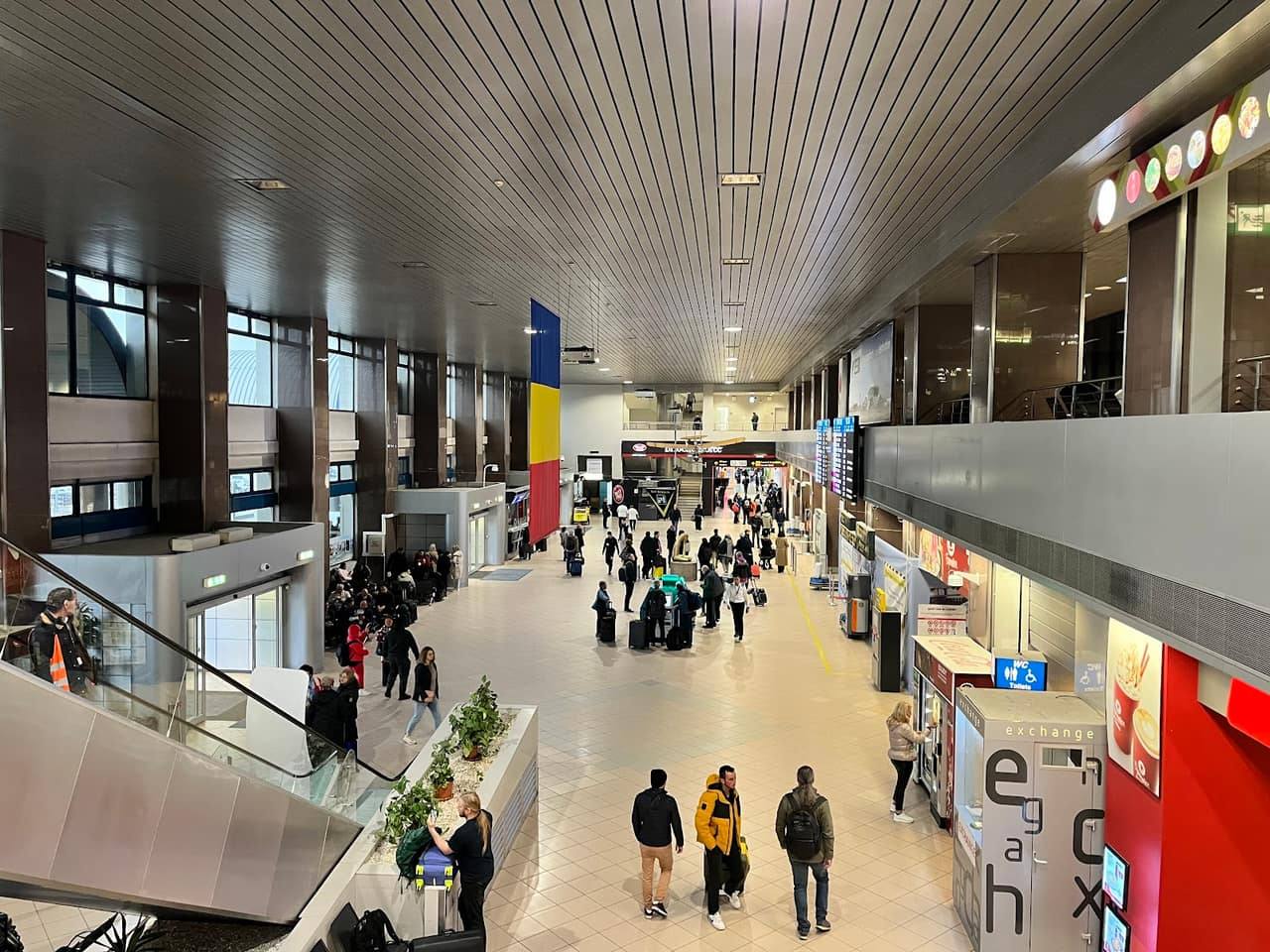
- Express lines, such as 100 Express to the airport, are useful for specific connections and much cheaper than a taxi.
Taxi and Bolt
For door-to-door travel, there's taxi and ride-hailing apps such as Bolt. Bolt shows the estimated price before you confirm, which makes it predictable and convenient, especially if you don't speak Romanian. For taxis, make sure the meter is running and check the rate displayed on the window, because rates differ from one firm to another.
It's a good option at night, with luggage, or when public transport is sparser. At peak hours, however, a car trip can take longer than the same trip by metro, because you sit in the same traffic as everyone else.
Parking
Parking in the centre can be difficult, and the rules differ by sector. Many central areas have paid parking, with systems and rates that vary from one sector to the next. To avoid fines and find spaces, see our parking guide. If you're staying several days, parking at your accommodation is often simpler than hunting for a spot on the street every day.
In short, a private car is the least practical mode for the centre: you combine the cost of parking with time lost in traffic. If you do drive in, leave the car at your accommodation and use the metro for getting around the city.
Cycling
Bucharest has made progress with cycle lanes, though the network is still fragmented and uneven, and some lanes end abruptly. For relaxed rides, the big parks such as Herastrau and Cismigiu are ideal, with generous, car-free paths. For commuting, take care in traffic, as the infrastructure isn't friendly everywhere and drivers aren't always used to cyclists.
The recommended strategy
- Long distances: the metro, fast and traffic-free.
- The centre: walking, everything is close and you see more of the city.
- Surface connections: STB with contactless payment.
- At night or with luggage: Bolt or a taxi.
- By car: check parking in advance and avoid peak hours.
The most efficient tourist mixes these modes: metro over long distances, walking in the centre, and a Bolt ride when it's late or raining.
FAQ
How much does a metro trip cost in Bucharest?
In 2026, a metro trip costs 5 lei. Stations are well signposted, but there is no reliable official real-time information system for trains.
How do I pay on buses and trams?
You can use the Activ/Multiplu card or contactless payment directly with your bank card or phone at the validators. Contactless is the most convenient for tourists, as you don't need to look for ticket machines.
Is the metro or the bus better?
The metro is faster over long distances because it avoids traffic. STB buses, trams and trolleybuses cover areas the metro doesn't reach. Combine them by route.
Where can I park in central Bucharest?
Many central areas have paid parking, with rules that differ by sector. Check the parking guide to find spaces and avoid fines.
How do I get from the airport into the city?
The cheapest options are bus 100 Express and the CFR train to the airport. For door-to-door comfort, there's a taxi or Bolt, with the price shown in advance in the app.
Is it worth renting a car to visit Bucharest?
For the city, not really: traffic is heavy, and parking in the centre is difficult and differs by sector. The metro plus walking is usually faster. A car only makes sense for trips outside the city.