Three neighbourhoods, three entirely different ways to experience the city — and one decision that can make or break a three- or four-night trip. Old Town, Floreasca and Cotroceni show up on every shortlist, but they answer different questions: how close do you want to be to everything, how quiet do your nights need to be, and how much does eating well without compromise actually matter to you. Our full neighbourhood breakdown (where to stay in Bucharest) covers every option in the city; here we compare just these three, head-to-head, on the criteria that actually decide a booking.
Walkability: who gets you everywhere on foot
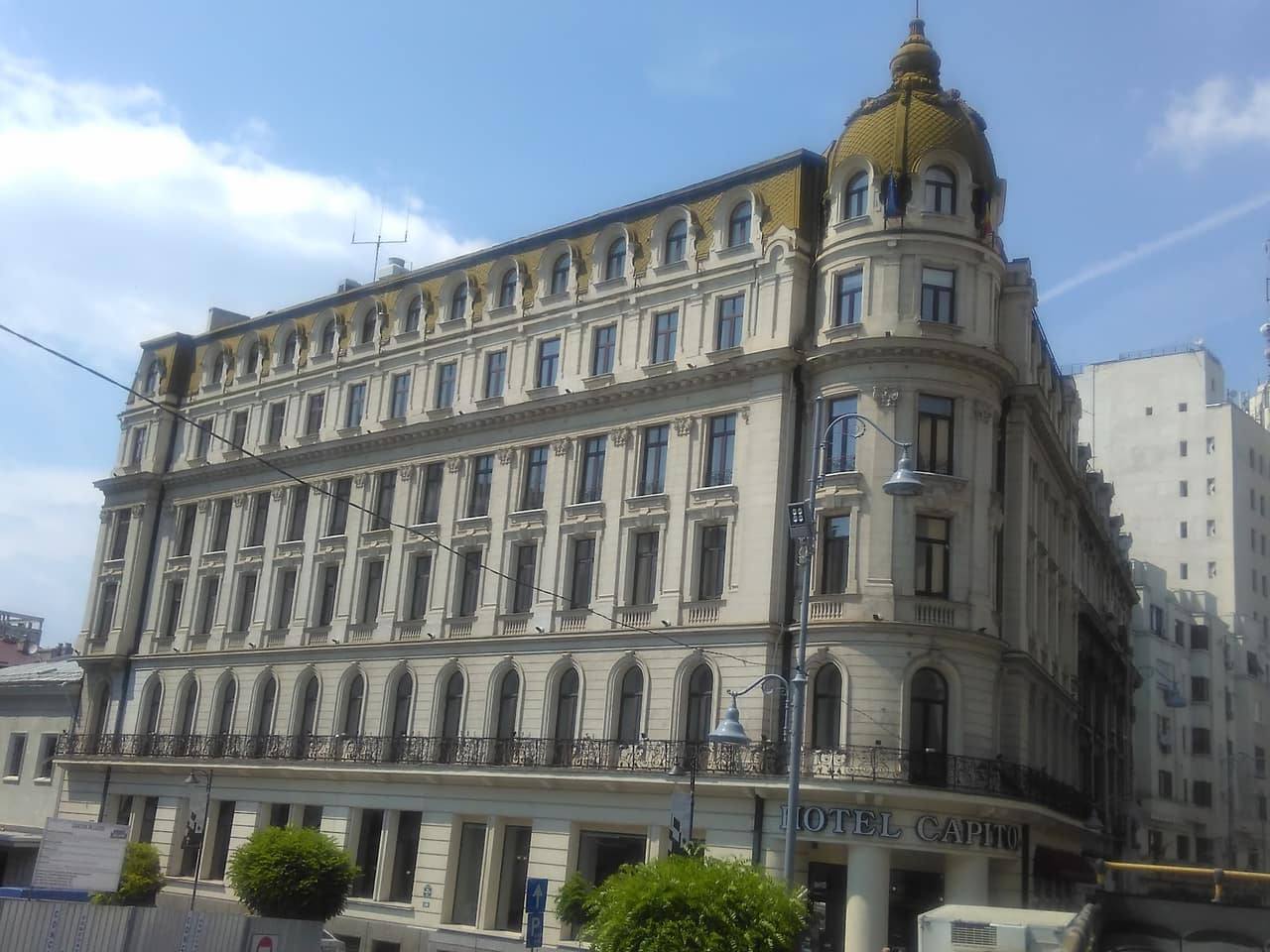
Old Town wins this round outright: step out of your building and within ten minutes you're at Calea Victoriei, University Square, the Athenaeum and half the city's major museums, all within walking distance. That's why it stays the default pick for a short two- or three-night break, when losing time to traffic simply isn't an option. Floreasca sits at the other end — a residential-and-office district where you'll walk to dinner or the park, but the big historic sights need a Bolt ride or a couple of metro stops. Cotroceni lands in an odd middle ground: on foot you'll find the Botanical Garden, Cotroceni Palace and entire streets of interwar architecture, but the actual tourist centre is better reached by tram.
Night noise: from all-night party to total quiet
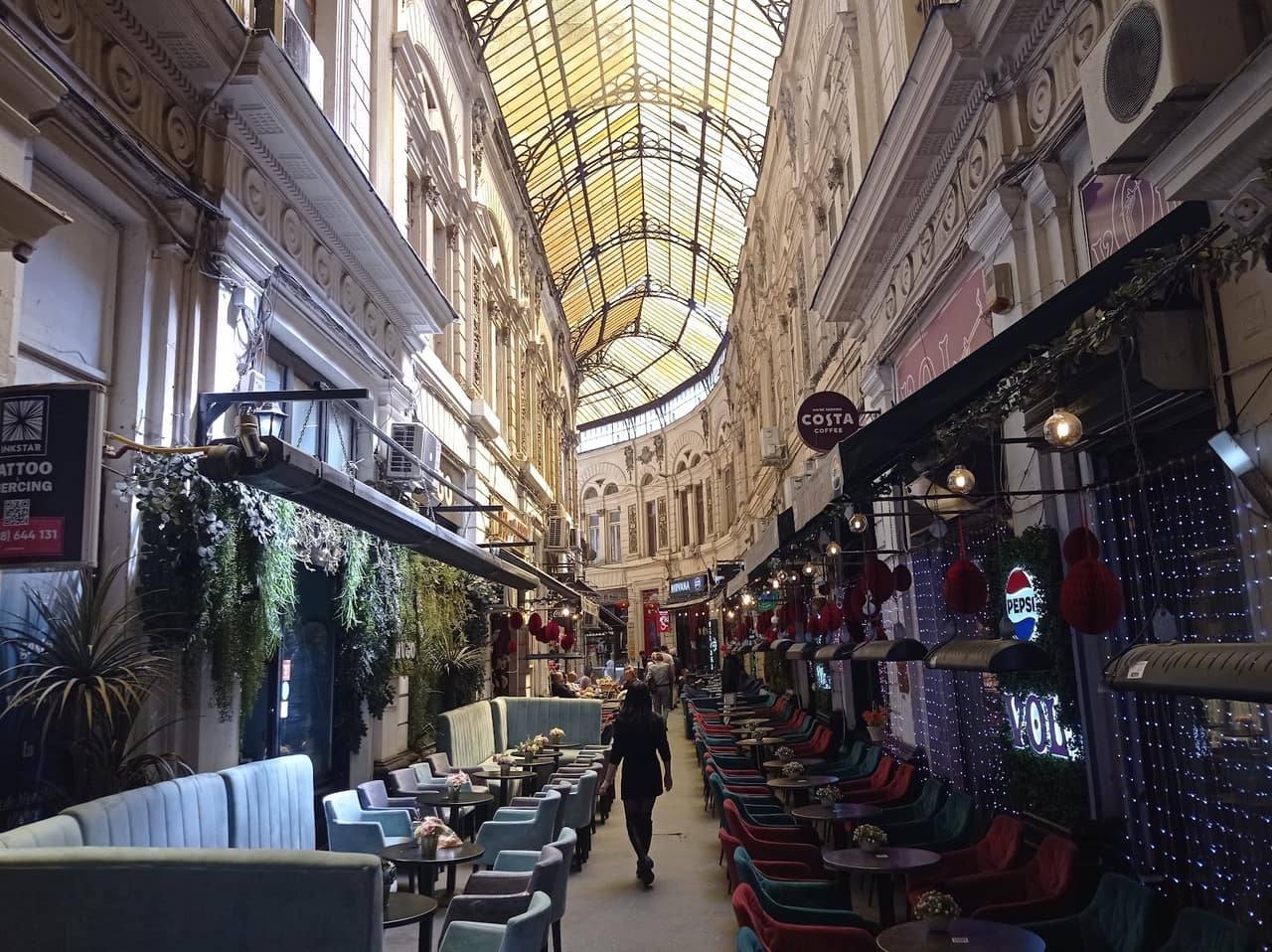
This is where the gap gets brutal. Old Town is, by a wide margin, the loudest part of the city after dark — terraces, clubs and live music running well past midnight, especially Thursday through Sunday; book close to the main strip and you'll want earplugs or a higher floor. Floreasca is surprisingly calm at night: it's where locals go for dinner, not for a night out, and after 11pm its residential streets go nearly silent. Cotroceni is the quietest by far — a district of villas and embassies with the rhythm of an elegant small town, built for uninterrupted sleep rather than nightlife.
Restaurants: where you actually eat well
Floreasca is, without any real rival, the city's culinary centre of gravity — the highest concentration of chef-driven restaurants, neighbourhood bistros and specialty cafés in Bucharest, and weekend reservations genuinely matter. Old Town offers quantity over consistent quality: there are excellent addresses tucked in among the crowds, but also tourist traps on the most visible terraces, so checking reviews before sitting down at the first open table pays off. Cotroceni has fewer options, but they're calm, local-feeling places — the kind where you eat without a crowd or loud music, good for an unhurried evening rather than variety.
Safety and street feel
All three are considered safe by the city's standards — Bucharest doesn't have neighbourhoods tourists are steered away from for safety reasons — but the feel differs. Old Town is crowded and, by night, full of people with a drink in hand, which means noise more than real danger; watch your pockets in the crowds, as you would anywhere. Floreasca has a discreet, orderly air, with heavy foot traffic from families and professionals. Cotroceni is essentially domestic — villa-lined streets, guarded embassies and light pedestrian traffic after dark, which some travellers will read as peaceful and others as too quiet.
Transport: how far you are from the rest of the city
Old Town wins here too: it's a natural hub for walking and sits close to several metro and bus lines running to the train stations and the airport. Floreasca does well on the metro (it has its own stops on line M2) and is among the easiest areas to connect from by Uber or Bolt, thanks to the wide boulevards around it. Cotroceni leans more on the tram and on metro line M1, and the ride to Old Town or the airport takes noticeably longer than from the other two — check the route on the interactive map before booking, especially if you have an early flight.
The type of stay you'll find in each
Old Town means hostels, boutique apartments and mid-to-upscale hotels, all built around travellers who want the action at their door. Floreasca is premium-apartment and high-end business-hotel territory, suited to longer stays or trips that mix sightseeing with work meetings. Cotroceni mostly offers apartments in old villas and discreet guesthouses — a pick for travellers after residential authenticity rather than tourist proximity. For a side-by-side on price, room type and distance, the accommodation page pulls together listings from all three neighbourhoods.
Verdict: who should pick which
If you've got two or three nights and want to tick off sights without planning routes, Old Town is the logical call — you trade quiet for zero distance. If you're here for the food, a couple's trip, or a longer stay where night-time calm matters, Floreasca wins clearly, as long as you're fine with a short Bolt ride or metro hop to the museums. If your priority is rest, architecture and a slower pace — with the centre as an occasional visit rather than a daily one — Cotroceni is the right fit. For more options and traveller profiles, our full where to stay in Bucharest guide breaks down every part of the city.
FAQ
What's the best neighbourhood for a weekend city break?
For two or three nights, Old Town stays the most efficient choice — the zero-distance walk to the sights outweighs the night noise.
Is Floreasca too far from the historic centre?
It's not walking distance, but a Bolt ride or the metro (line M2) gets you to Old Town in just over ten minutes; check routes on the interactive map.
Is Cotroceni a safe area to stay in?
Yes — it's among the quietest residential districts in the city, with embassies and villas, though that same quiet means little happens there after dark.
Which option offers the best value for accommodation?
It depends on the trip: Old Town has the widest range at every budget, Floreasca costs more but delivers consistent quality, and Cotroceni compensates with quiet and authenticity. The full comparison is on the accommodation page.