
Bucharest doesn't perform at the table. There's no twelve-course tasting menu theater, no five-minute explanation of a single plate. What you get instead is farmhouse cooking built to fill you up and keep you warm, plus a newer wave of cafés and bistros taking the same raw ingredients and treating them with real care. The difference between a trip where the food clicks and one where it doesn't usually comes down to knowing what to order, and when.
This guide walks through the Romanian culinary canon as it actually shows up on tables in the capital — not a list of superlatives, but a logical order: what to eat first, what follows, what to order for dessert, and what to do if you're vegetarian.
Mici first, always
Mici are the mandatory starting point — skinless grilled sausages made from minced meat (usually a beef-and-pork mix, sometimes with lamb), seasoned with garlic, thyme and a pinch of baking soda that gives them their loose, springy grill texture. They arrive simple: mustard, bread, and ideally a cold beer. This isn't refined dining — it's neighborhood-party food, summer-grill food, stadium food. The place most associated with the tradition in its rawest form is Obor market, and our guide to mici at Obor explains why it matters and how to navigate it.
The sour soups that define the table
If Romanian food has a signature, it's sourness. Ciorbă de burtă (tripe soup finished with sour cream, garlic and vinegar) is the one foreigners hear about first, often billed as a hangover cure, but ciorbă de perișoare (meatballs in a vegetable broth soured with bors or sauerkraut brine) is the more common everyday version. What separates a ciorbă from an ordinary soup is exactly that sourness — Romanians treat it as its own category, not a soup that happens to taste tart.
Sarmale and mămăligă, the standard pairing
Sarmale — salt-cured cabbage leaves stuffed with minced meat and rice, slow-cooked — nearly always arrive with mămăligă (a thick, near-solid cornmeal mash) and sour cream. This is Sunday food, holiday food, home-cooking food, and every family makes it slightly differently. Mămăligă also shows up on its own, with cheese and sour cream, as the de facto vegetarian version of the same combination.
Papanași for dessert, covrigi on the street
For dessert, papanași are the universal answer — fried sweet-cheese doughnuts topped with sour cream and jam (usually blueberry), typically served as one generous portion rather than a delicate pastry-shop item. For quick street food between sights, covrigi — the large braided pretzels, plain or topped with sesame or poppy seed — are the local cheap-and-fast option, sold from kiosks across the city, especially near metro stations.
The new wave: specialty coffee and produce-driven bistros
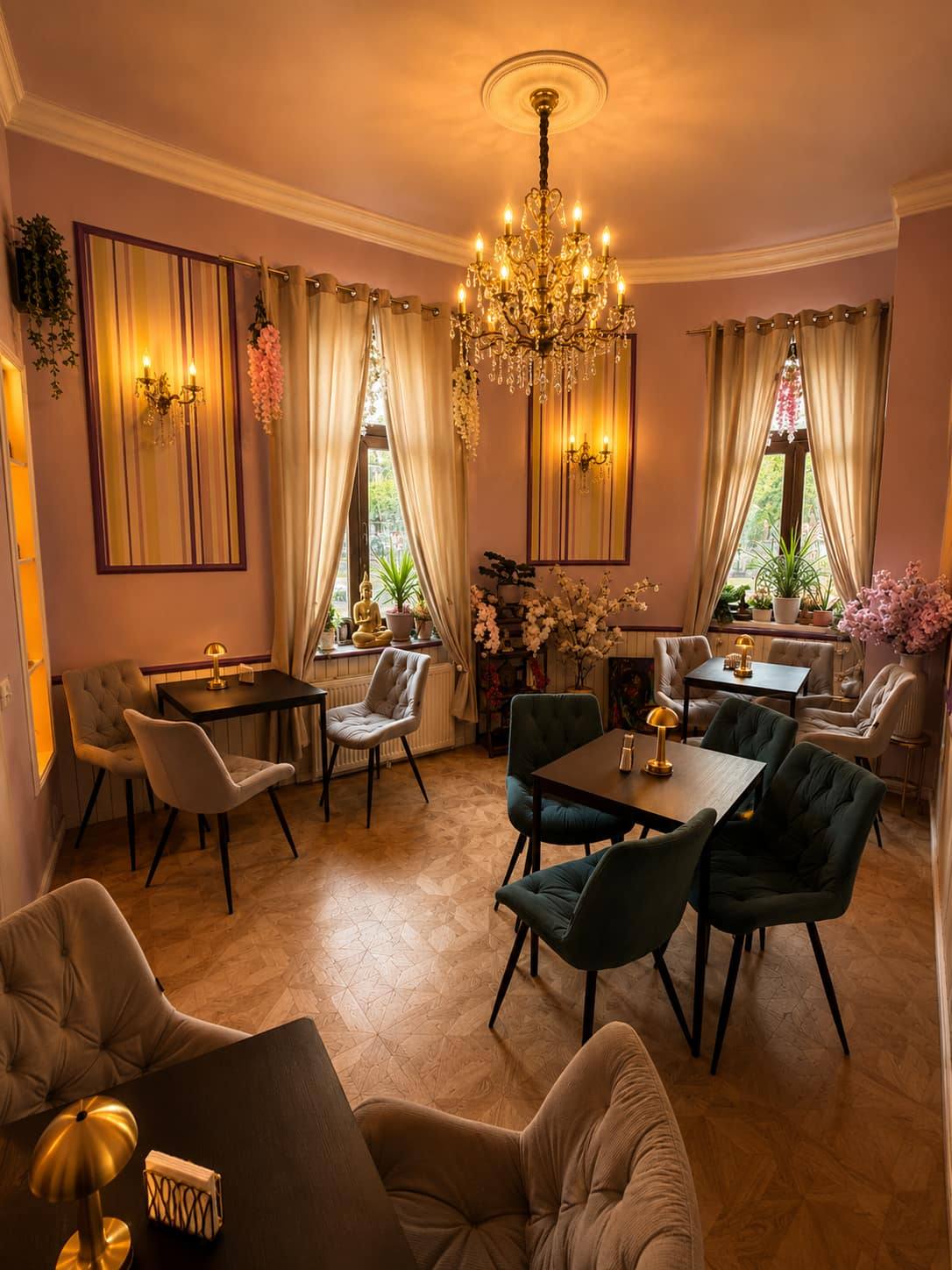
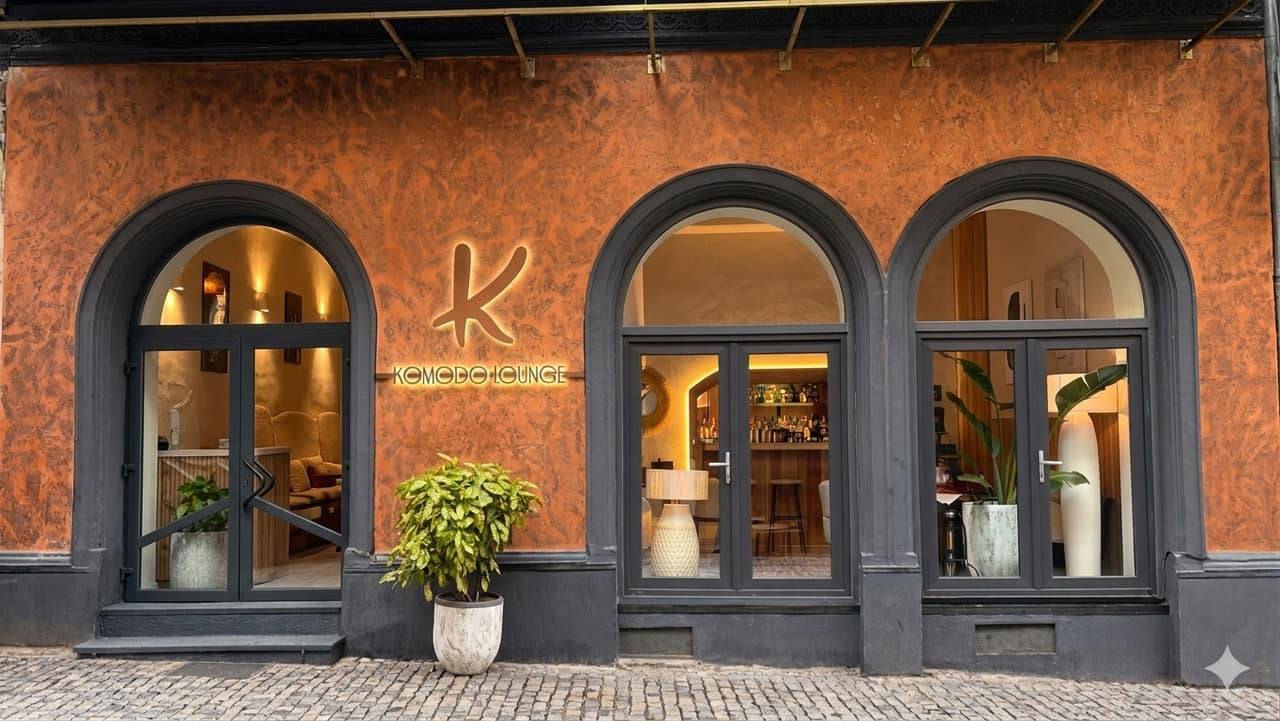
Bucharest has gone through a genuine specialty-coffee wave over the past decade — not just better espresso machines, but local roasters, trained baristas and a public that now asks about origin and brew method. Our specialty coffee guide walks through what that actually means for a visitor. Alongside it, a newer generation of bistros takes the same traditional ingredients — meat from small producers, seasonal vegetables, farm cheeses — and treats them like a modern kitchen would, not a canteen. These are the places where you'll find sarmale or ciorbă de burtă again, reinterpreted rather than just reheated.
Markets, portions and table etiquette
For raw ingredients and an honest read on what locals actually buy, the city's food markets are a better reference point than any supermarket — our guide to Bucharest's markets points to the ones worth a visit. At the table, a few practical notes: portions run generous and are usually meant for one person rather than sharing; the standard tip is around 10% of the bill, left in cash or added to a card payment if the server asks; Romanians tend to eat later than visitors from northern Europe — lunch can stretch to 3pm, and dinner rarely starts before 7 or 8pm. Vegetarian? Traditional cooking is honestly meat-heavy, but the modern bistro and café scene covers the gap well, with menus built around vegetables rather than a single token salad.
How to know where to actually eat
What a visitor usually lacks isn't the list of dishes but a trustworthy filter — which place respects the recipe and which just serves something under its name. That's what our verified restaurant listings are for, updated on an ongoing basis, alongside a dedicated guide to where to eat in Bucharest organized by neighborhood and cuisine. For broader context on how the city eats and goes out — timing, habits, evening life — our page on Bucharest's food scene and nightlife fills in the rest.
FAQ
What should I eat on my first meal in Bucharest?
Start with mici, mustard and bread, followed by a sour ciorbă — either de burtă (tripe) or de perișoare (meatballs). Save sarmale and mămăligă for a longer sit-down meal, ideally a weekend lunch.
How much should I tip in Bucharest restaurants?
Around 10% is the accepted norm, either in cash or added to the card payment if the server asks directly. It isn't legally required, but it's expected for decent service.
Are there real vegetarian options?
Traditional cooking is meat-heavy by design, but modern bistros and specialty cafés run genuinely thought-out vegetarian menus, not an afterthought. Check our restaurant listings and filter for what you're after.
Where do I find authentic food without hitting a tourist trap?
Check our guide to where to eat in Bucharest and the restaurant listings, both kept current, and browse the local markets for a direct read on what Bucharest actually eats.