If you're wondering how safe Bucharest is for a holiday, the short answer is: about as safe as most European capitals of comparable size. There are no neighbourhoods that serious guides label off-limits, and the real risks are ordinary and predictable — pockets picked in crowds, a handful of unlicensed taxi drivers, currency exchange booths with unclear rates. The same instincts that serve you in Rome or Prague work perfectly well here.
This guide isn't meant to alarm you — it's meant to give you the exact reference points to enjoy the city relaxed, from the busy historic centre to the quiet residential neighbourhoods.
The general picture
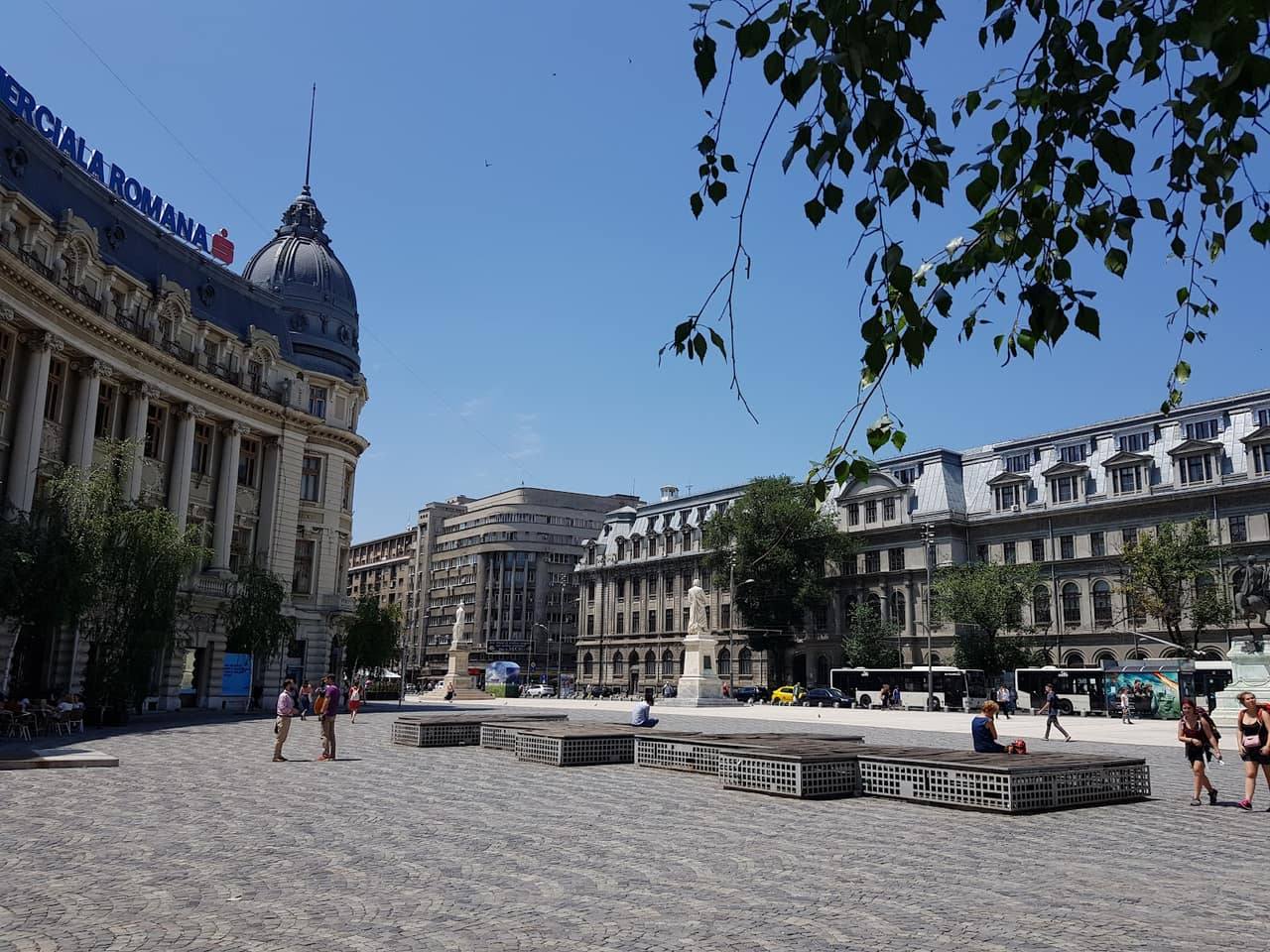
Statistically, Bucharest behaves like an ordinary European capital: violent crime directed at tourists is rare, and Local Police and gendarmerie keep a visible presence in areas with heavy tourist traffic — the Old Town, University Square, Victory Square. Most incidents affecting visitors are minor property crimes (pickpocketing), not assaults. Exact figures vary year to year, so common sense matters more than any statistic.
Pickpockets and crowds
As in any popular destination, pickpockets favour crowded places and moments of distraction.
- Public transport at rush hour — packed metro cars and buses are the classic setting for distraction theft; keep bags in front of you.
- Old Town in the evening — safe but crowded; vigilance tends to drop precisely because the atmosphere feels relaxed.
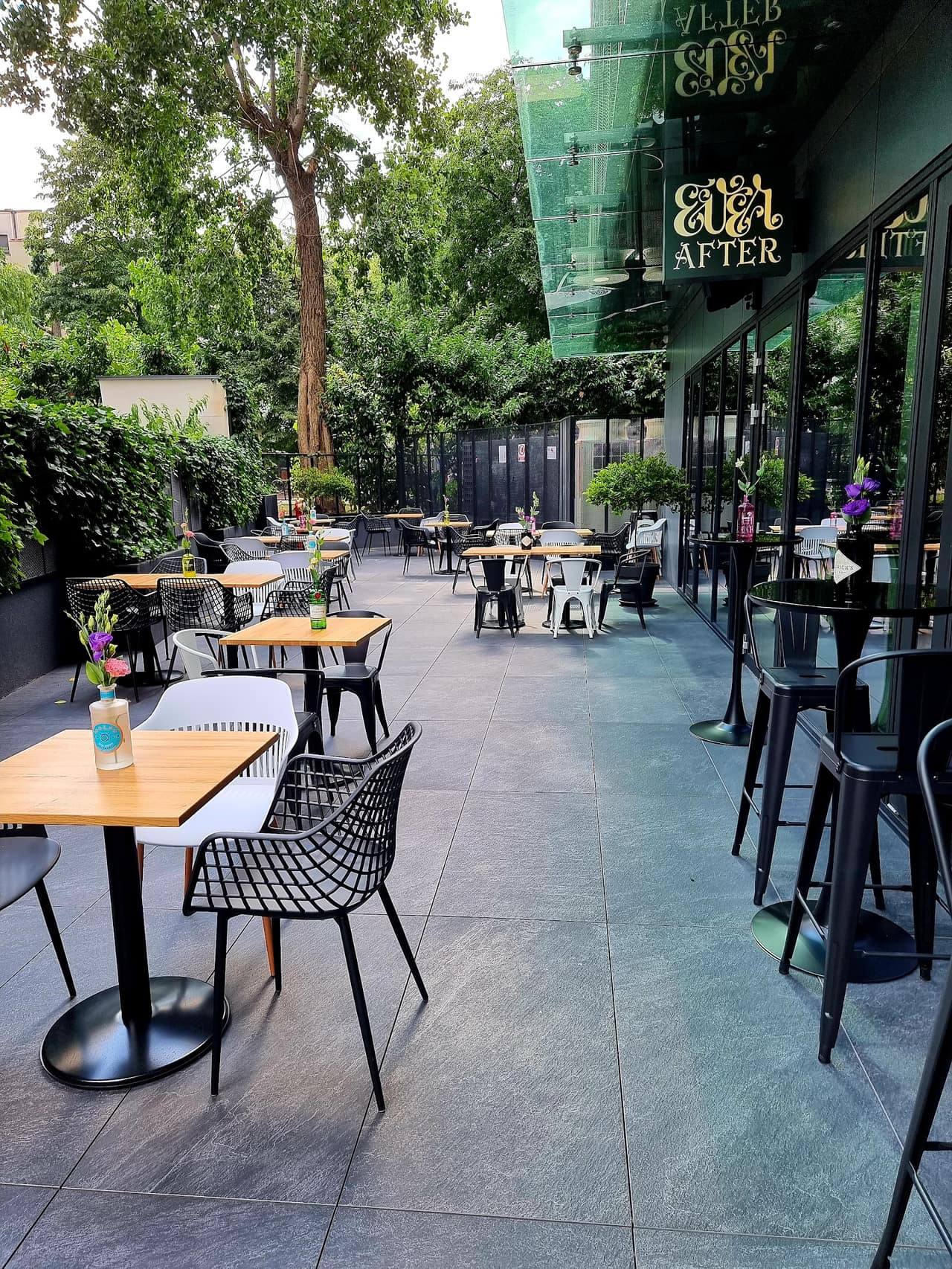
- Terraces and restaurants — don't leave your phone or bag unattended on the table.
Avoid displaying large sums of cash, and make digital copies of your documents. For full trip-prep detail, see practical info.
Taxis: the classic traps
Probably the one area where uninformed tourists lose money unnecessarily. A handful of unlicensed drivers lurk near the North railway station, the airport, or the Old Town, running inflated fares.
- Use apps — Bolt and Uber remove almost all the risk, with the price fixed before the ride.
- If you hail a taxi on the street, pick one with a recognised company logo and ask that the meter is switched on from the start.
- Check the tariff sticker on the door — if it's missing or hidden, choose another car.
For concrete steps from the airport to the centre, see the getting around Bucharest guide.
Currency exchange: where NOT to change money
Booths with suspiciously attractive rates near major landmarks are almost always a trap — hidden commissions can shrink what you receive.
- Prefer ATMs from well-known banks — the rate is transparent and shown before you confirm.
- Avoid exchange booths in heavily touristed areas, especially ones with large-print numbers and fine print underneath.
- Card payments are widely accepted, reducing the need to carry cash at all.
Traffic and crossing the street
If there's one genuine risk, it's traffic, not crime. Bucharest has dense traffic, and pedestrians should exercise extra care.
- Cross only at marked crossings, and wait for the signal even if locals cross against the light.
- Watch for turning cars at intersections.
- Public transport is a safe way to avoid dense rush-hour traffic.
Evenings, neighbourhoods and solo travel
Tourist-frequented areas — the Old Town, Calea Victoriei, Victory Square, Cotroceni, Dorobanți — stay lively and safe in the evening. Bucharest is also a common destination for solo travellers, including women travelling alone; the centre is easy to navigate on foot, and English is widely spoken.
- Stick to lit, busy streets, especially after midnight.
- Book a ride through an app for the trip home late at night.
- Alcohol lowers vigilance — keep an eye on your belongings on crowded terraces.
For a broader look at safety by neighbourhood, see the encyclopedia's safety & emergencies section.
The emergency number
In any emergency — medical, fire or crime — Romania's single emergency number is 112, available around the clock, free, with English-speaking operators. It works from any phone, even without an active SIM.
- Save 112 in your phone before you travel.
- For lost documents, contact your country's embassy or consulate.
- To report a theft, the nearest police station can issue the documentation your insurer will need.
Other useful contacts for visitors are gathered in the useful info section.
FAQ
Is it safe to walk alone at night in the Old Town?
Yes, the area stays lively and busy well into the night, with a constant flow of people. Watching your pockets is the main recommendation — not fear of assault.
What do I do if a taxi asks for a much higher fare than expected?
Avoid the situation from the start by using Bolt or Uber, where the price is fixed before the ride. If a street taxi's fare seems inflated, you can decline to pay the unjustified amount and ask for a receipt; see the getting around Bucharest guide.
What is the emergency number in Romania?
The single emergency number is 112, free and available around the clock, with English-speaking operators, for medical emergencies, fires or crime.
Where's the safest place to exchange currency?
At ATMs from well-known banks or at bank counters, where the rate is transparent. Avoid isolated exchange booths in tourist areas — see practical info.