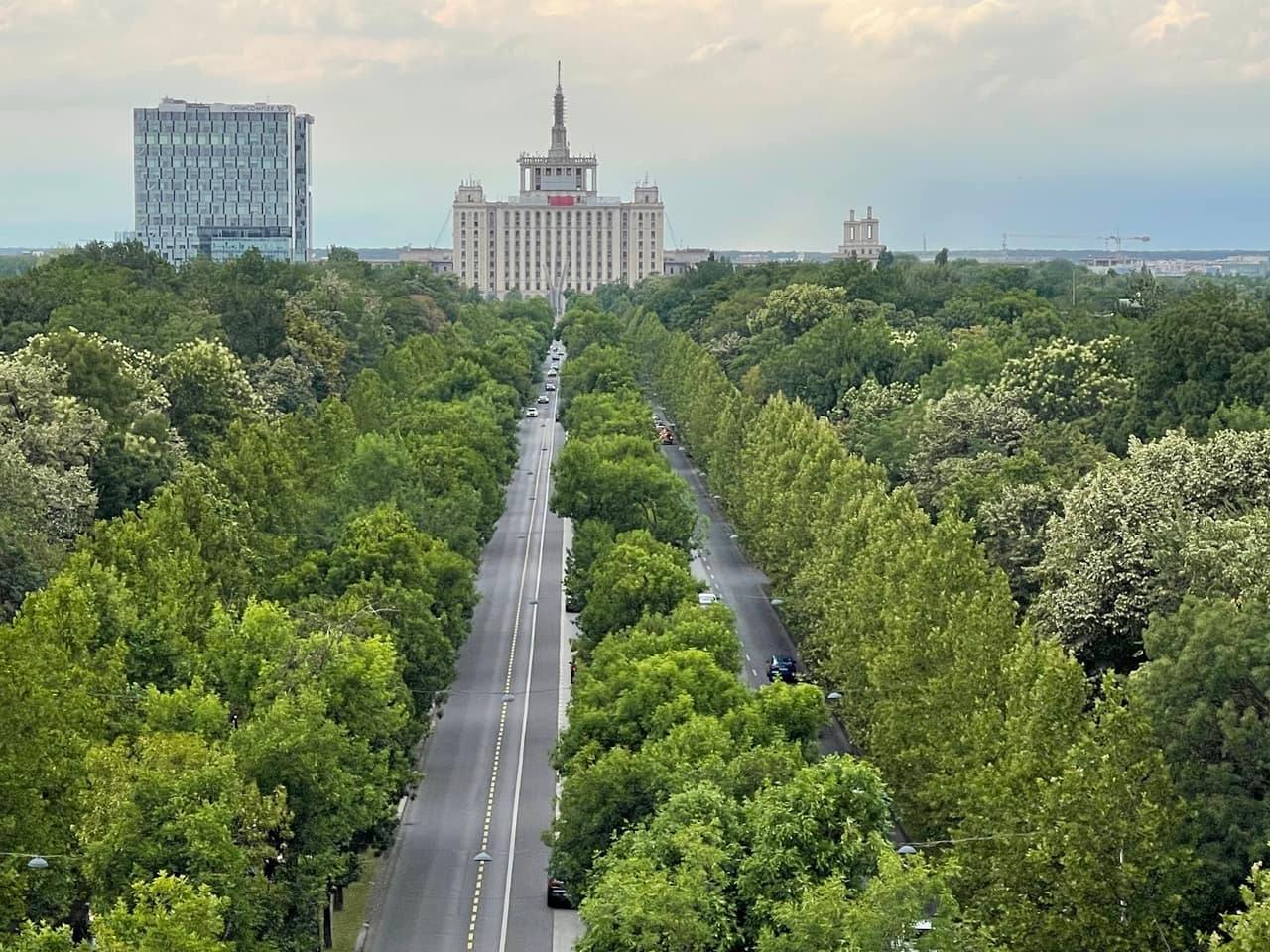
Bucharest is the capital and largest city of Romania, the country's main administrative, economic and cultural centre. It lies in the south, in the historical region of Muntenia (Wallachia), in the middle of the Romanian Plain, on the Dambovita river.
Key facts
- Status: capital of Romania and a municipality with special standing.
- Location: Muntenia, the Romanian Plain, on the Dambovita river (the Colentina tributary crosses the north of the city).
- Area: roughly 240 km2 - the highest population density in the country.
- Population: about 1.7 million inhabitants within the city limits (2021 census); the metropolitan area is considerably larger.
- Organisation: the city is administratively divided into six sectors, each with its own mayor.
Geography and setting
The city sits on a low, gently undulating plain at an altitude of around 70-90 metres, with no natural barriers to limit its growth. The Dambovita flows through the centre on a regularised, channelled course, while the Colentina forms a string of lakes across the north - among them Floreasca, Tei, Herastrau and Baneasa - which provide some of the city's most popular green and leisure areas. This relatively flat terrain explains both the city's sprawling layout and its dense, radial street pattern that fans out from the historic core.
The role of the city
Bucharest concentrates the central institutions of the state, the seat of the Government and of Parliament, most of the country's universities, theatres and museums, and the most dynamic urban economy in Romania. It is also home to the country's main air gateway, Henri Coanda International Airport (Otopeni).
Climate and when to visit
Bucharest has a temperate-continental climate with four distinct seasons: hot summers, when temperatures regularly climb above 30 degrees Celsius, and cold winters that can bring snow and sub-zero spells. The most pleasant months for visitors are usually May, June and September, when the weather is mild and the parks are at their best. Summer can be intense in the centre, which is why locals retreat to the lakeside parks in the north.
Landmarks
- The Romanian Athenaeum - the city's emblematic concert hall, opened in 1888.
- The Palace of the Parliament (former House of the People) - one of the largest administrative buildings in the world.
- The Arch of Triumph - a monument inspired by the Parisian model, rebuilt in its current form in 1936.
A city of contrasts
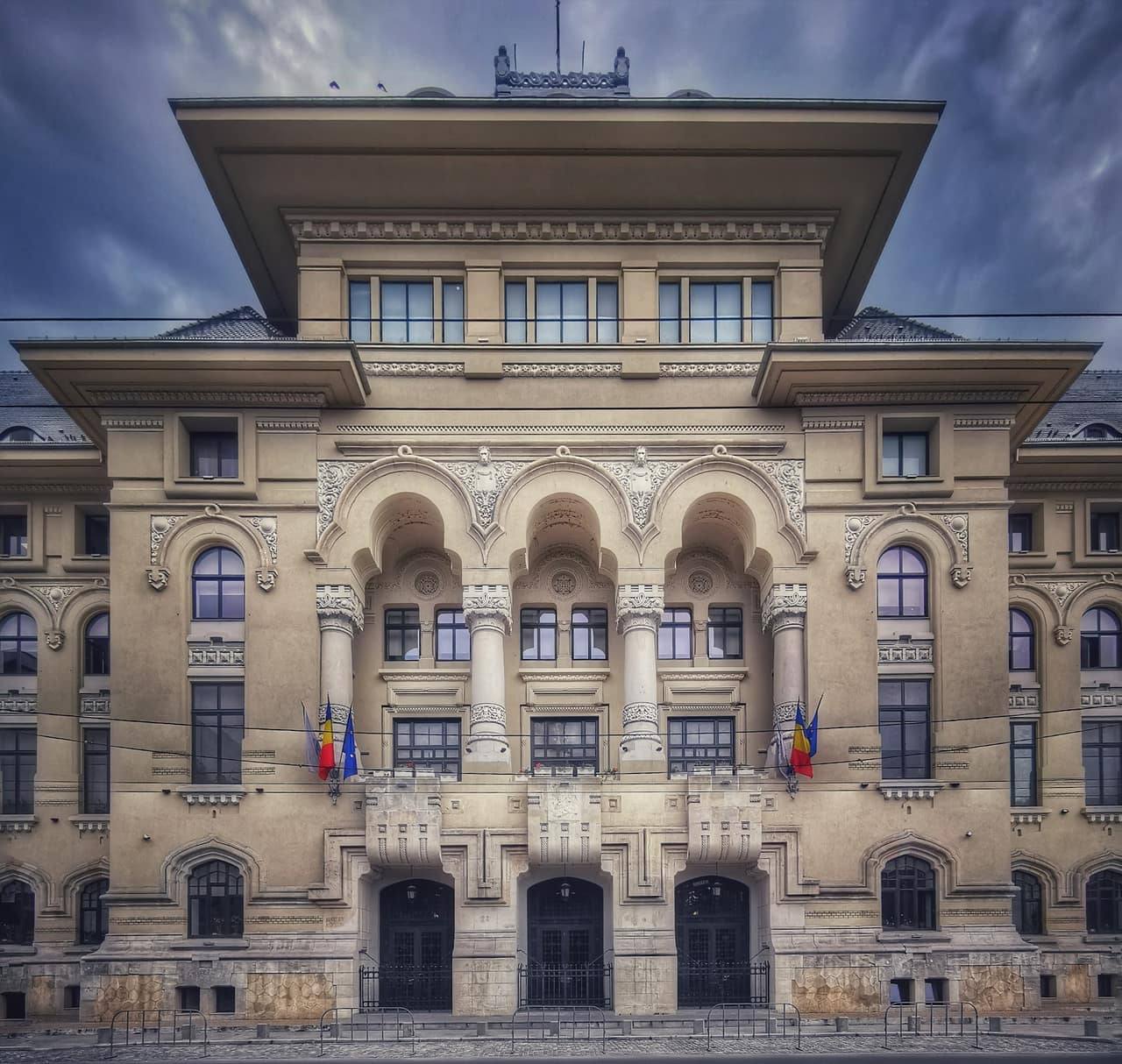
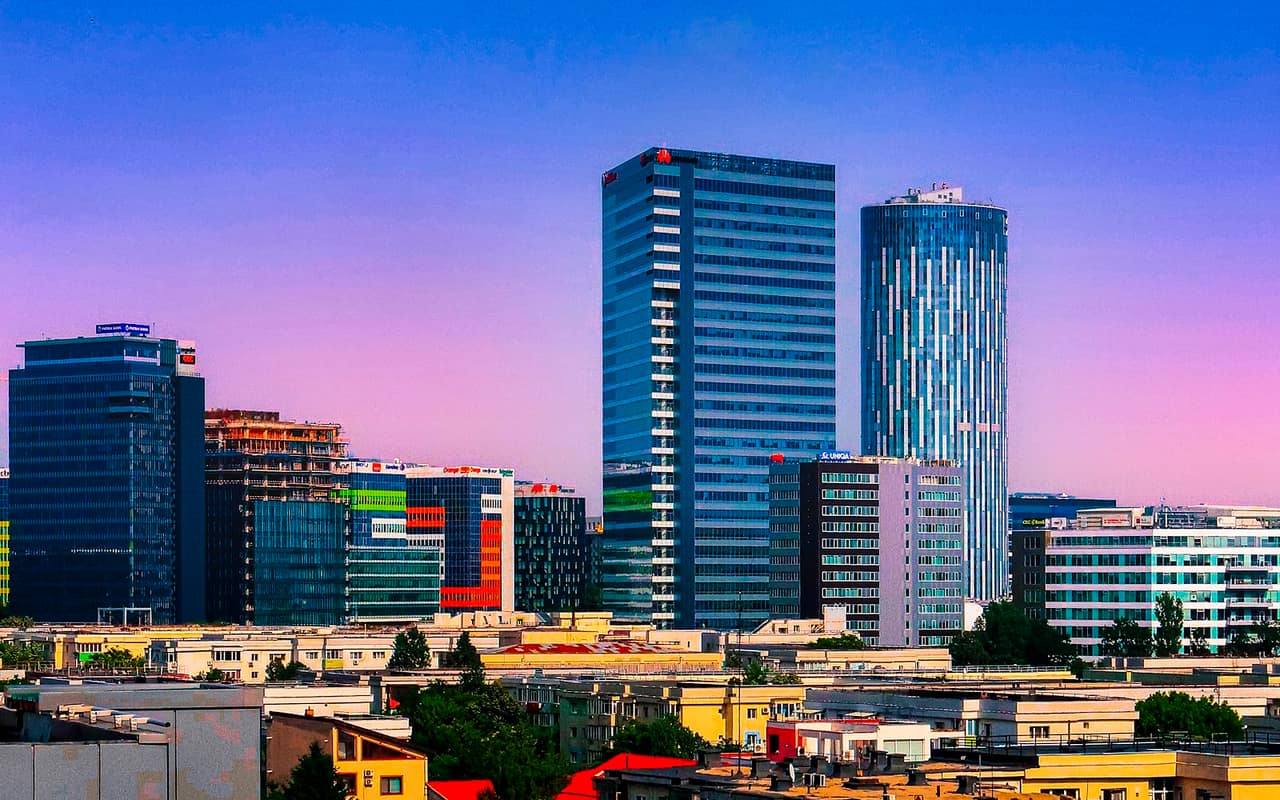
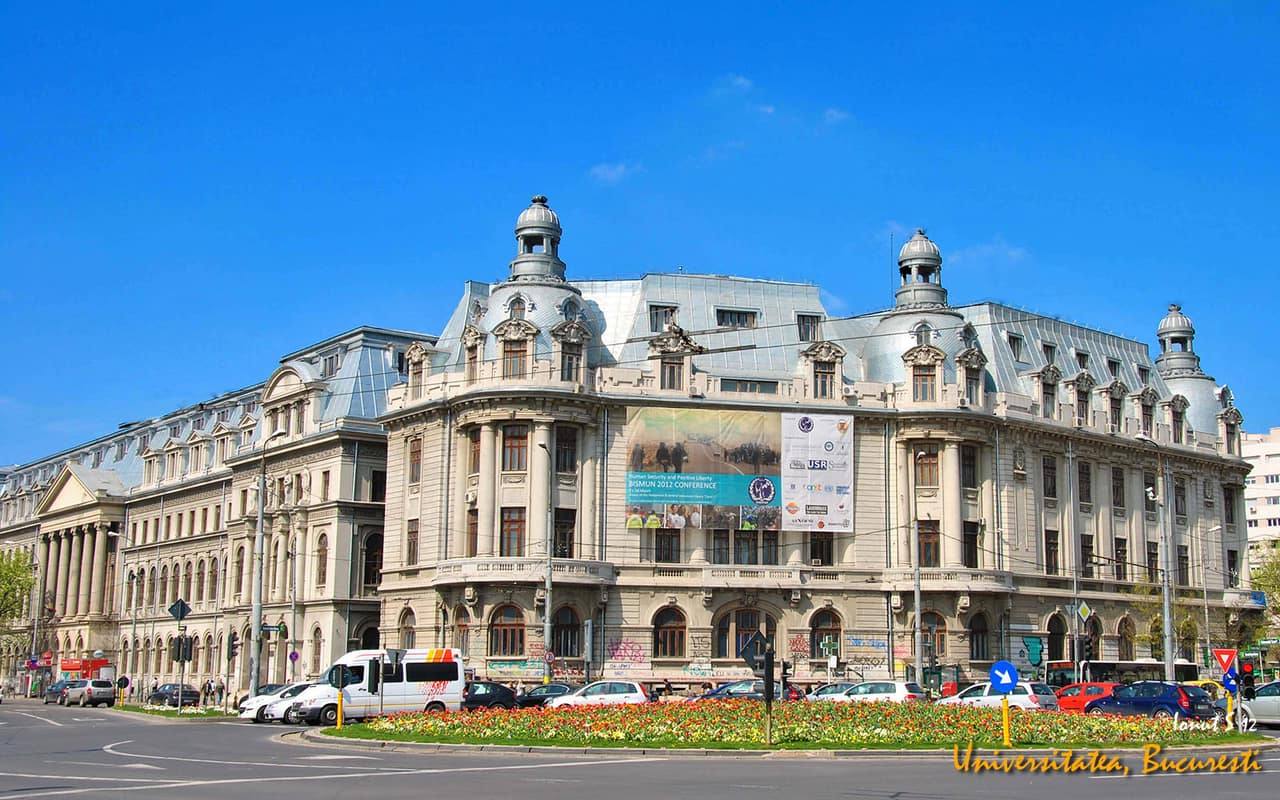
What strikes most first-time visitors is the layering of eras side by side: Belle Epoque mansions and Orthodox churches a few steps from communist-era apartment blocks and glass office towers. The restored Old Town (Lipscani) is the city's compact historic heart, packed with cafes, restaurants and nightlife, while wide boulevards such as Calea Victoriei trace the routes that earned Bucharest its "Little Paris" reputation. The result is a capital that rewards walking and curiosity rather than a tidy postcard.
To understand how a medieval market town became the capital of an entire country, see the history of Bucharest. You can also explore the districts, the sights and the metro network.