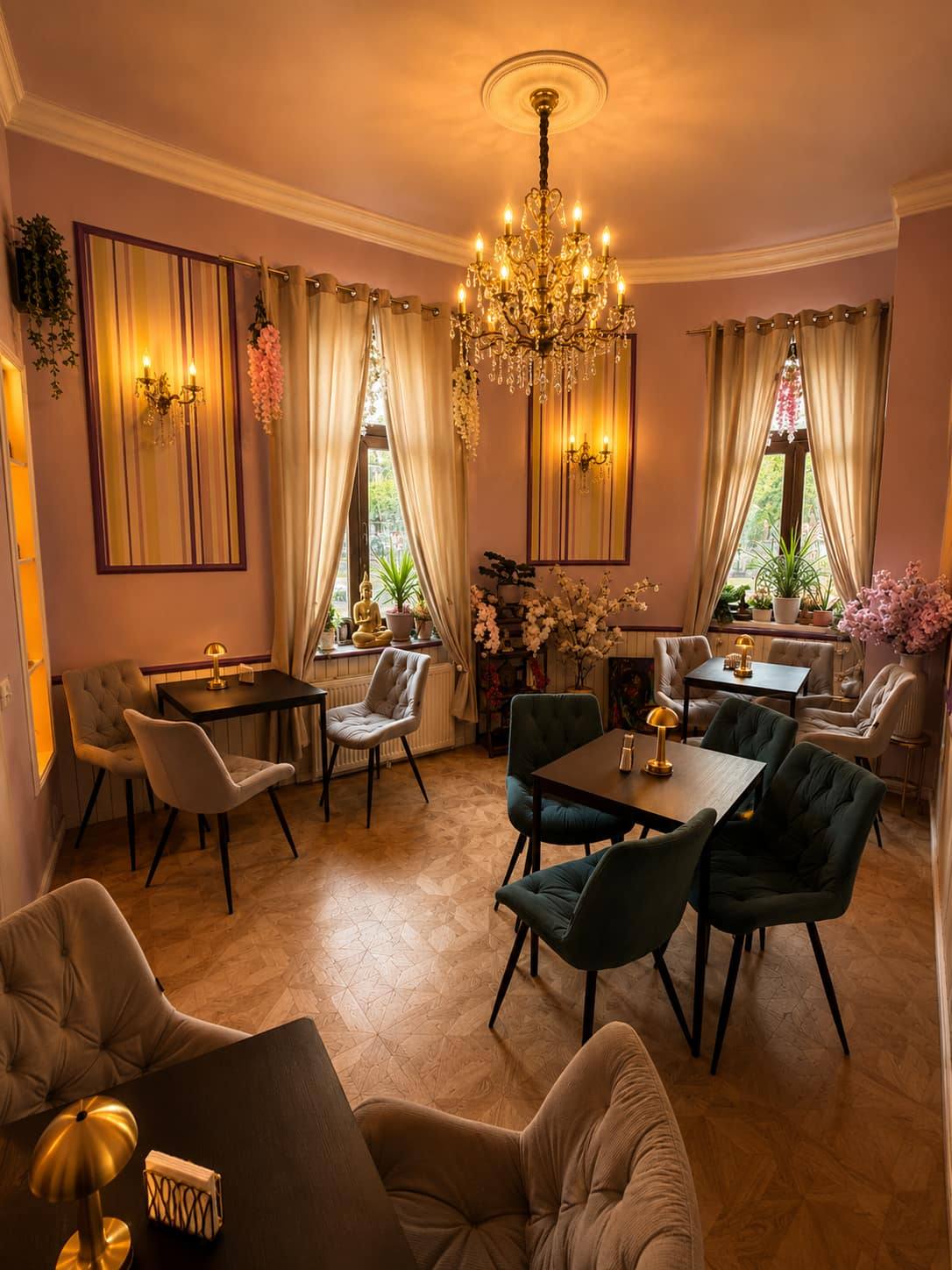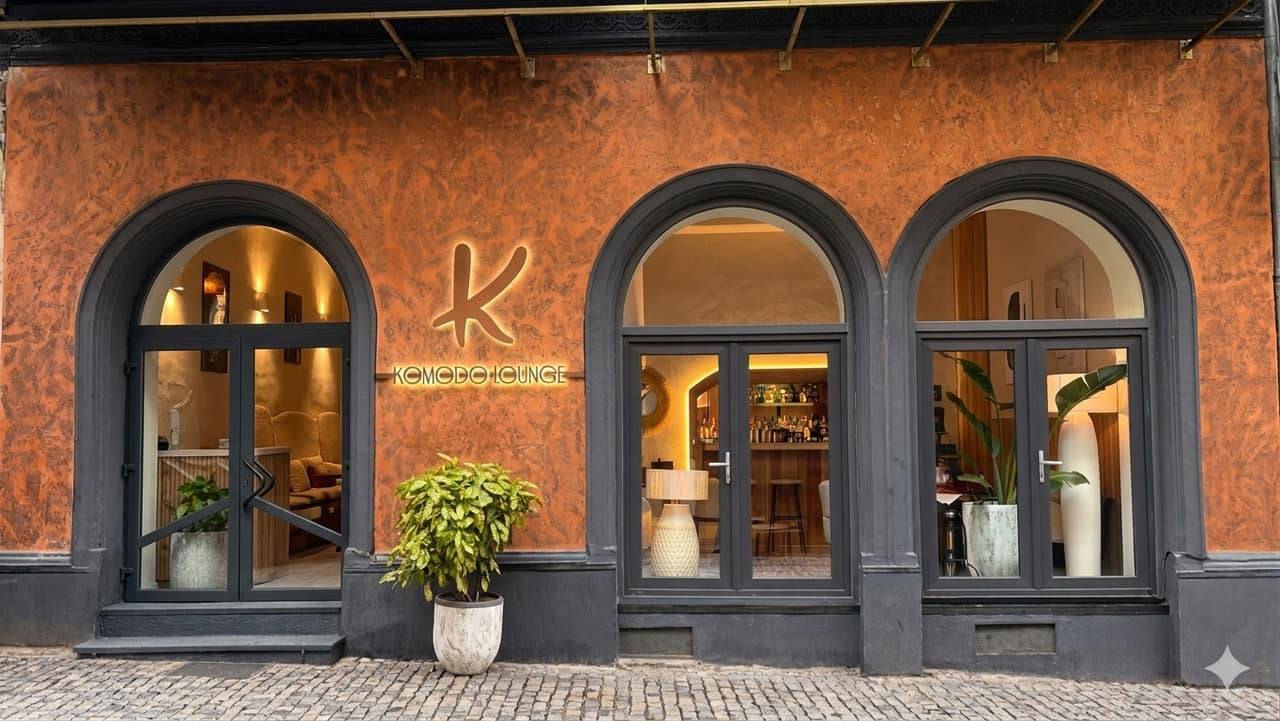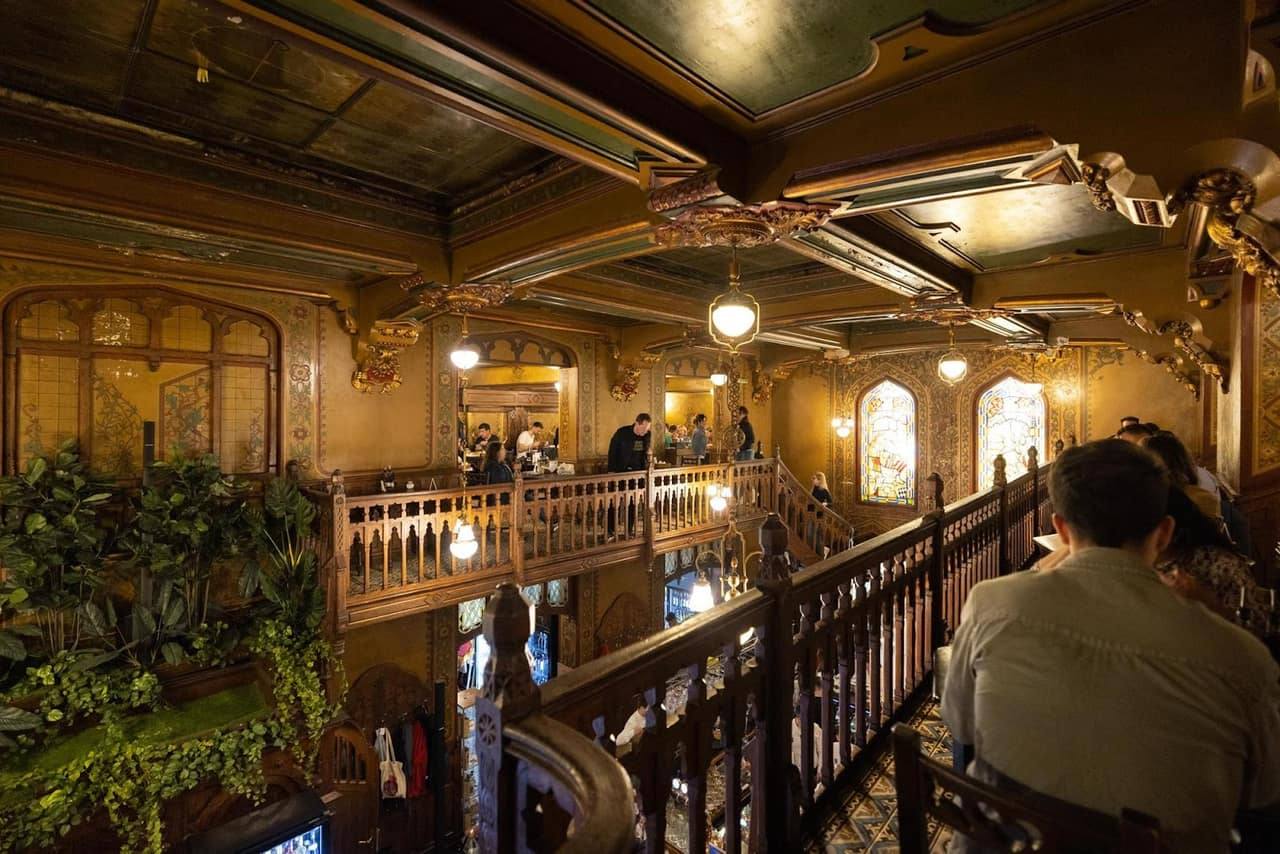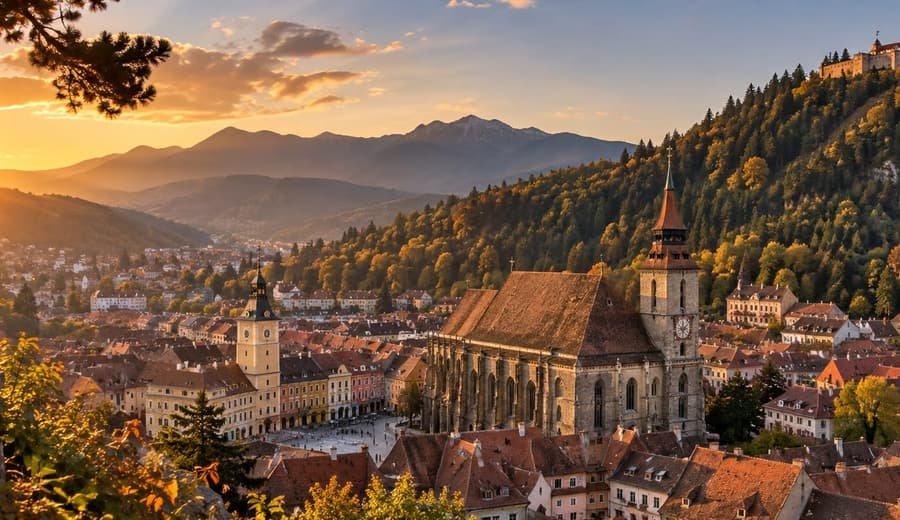
Fifteen years ago, "good coffee" in Bucharest meant a decent espresso in a bar. Today the city has a mature specialty-coffee scene, with its own roasteries, baristas who talk about origin and process, and a café culture that has outlived the trend.
The shift did not happen overnight. A first generation of small cafés imported beans, trained baristas and slowly educated a public used to instant coffee. Once a few roasteries opened locally, the scene had a backbone of its own - and it has kept growing since.
What "specialty" and "third wave" mean
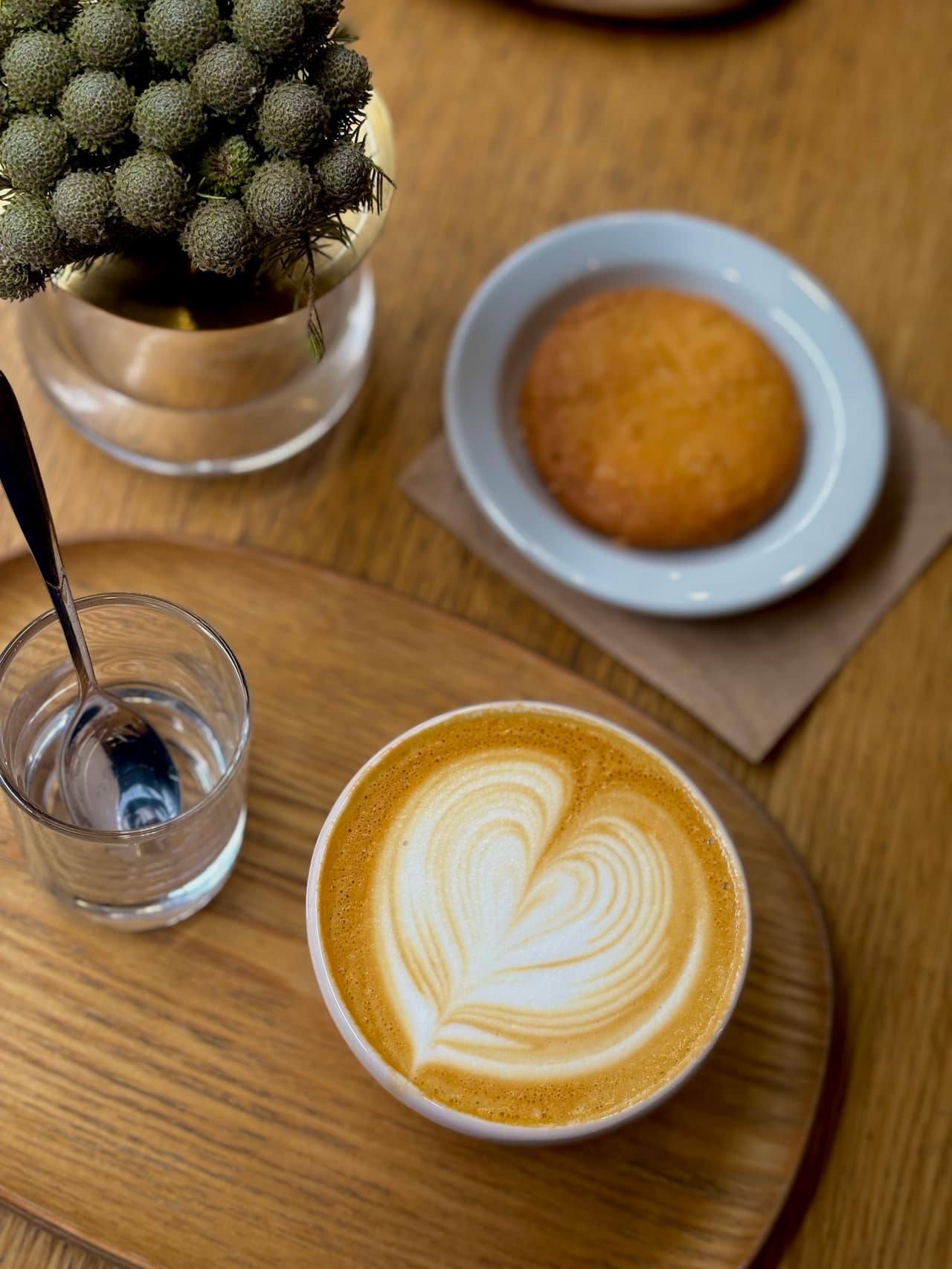
The term "third wave" describes an approach where coffee is treated as a craft product, not a commodity. It means traceable beans, light-to-medium roasts that keep acidity and origin flavours, alternative methods (V60, AeroPress, Chemex) alongside espresso, and baristas who care about extraction. In short: coffee as an experience, not just a caffeine hit.
A quick glossary if you are new to it:
- Single origin - coffee from one farm or region, not a blend, so you taste a specific place.
- Filter / pour-over - hand-brewed coffee that is lighter and more aromatic than espresso.
- Flat white - a milk drink with a higher coffee-to-milk ratio than a latte.
- Roast date - serious cafés roast fresh and tell you when, because coffee is best within weeks.
Where the cafés cluster
The scene is not spread evenly; it concentrates in a few areas.
- Old Town (Lipscani): the highest density, a mix of tourists and locals. Good for a stop between sights. See the district.
- Dorobanți: a smart, leafy area with quieter, more stylish cafés and a good local crowd.
- Floreasca: a modern feel, close to the offices and to Herăstrău park; perfect for a morning coffee before a walk.
How to spot a good café
- They keep an origin list and tell you where the coffee comes from.
- They offer alternative methods, not only espresso.
- The roast is fresh, often in-house or from a local roastery.
- The barista is happy to explain what you are drinking.
- They take milk and dairy-free options seriously, not as an afterthought.
How to plan a coffee crawl
Pick one neighbourhood and do it on foot. Start with an espresso, move to a filter at a second spot, finish with something sweet. Space the stops an hour apart so the caffeine does not pile up, and ask each barista what they would brew for you - the recommendations are half the fun. For verified places with real reviews, use our restaurants list - many cafés appear there. To turn it into an evening, move on to clubs.
Most areas are easy to reach by metro; see the metro guide. And because the scene moves fast, follow events for tastings and launches.
FAQ
Is specialty coffee expensive?
It costs more than a petrol-station espresso but is comparable to other capitals. You pay for quality and traceability.
Do I need to be an expert to order?
No. Tell the barista what you like (sweeter, brighter, with milk) and they will guide you.
What if I do not drink coffee?
Most specialty cafés take tea, hot chocolate and seasonal drinks seriously too. You will rarely be stuck.
Can I buy beans to take home?
Yes - most roasteries and many cafés sell bags of fresh beans, often ground to order. Ask for the roast date.