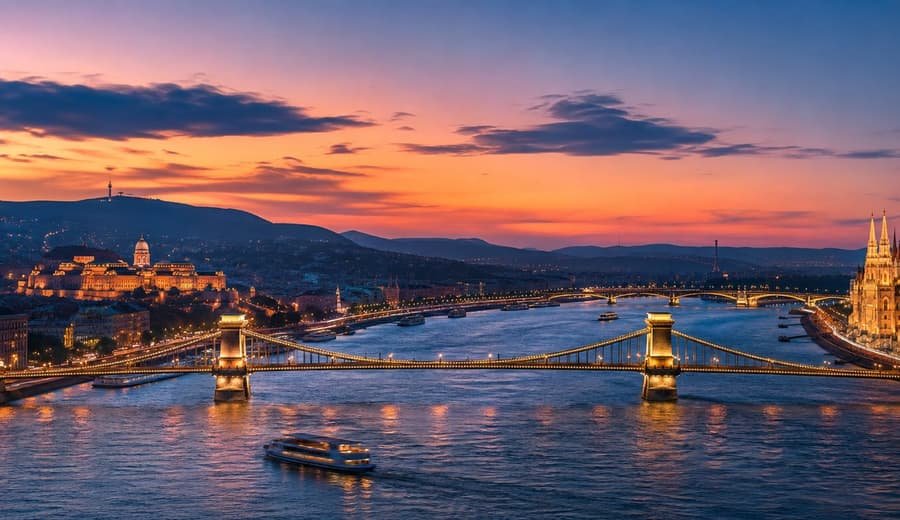
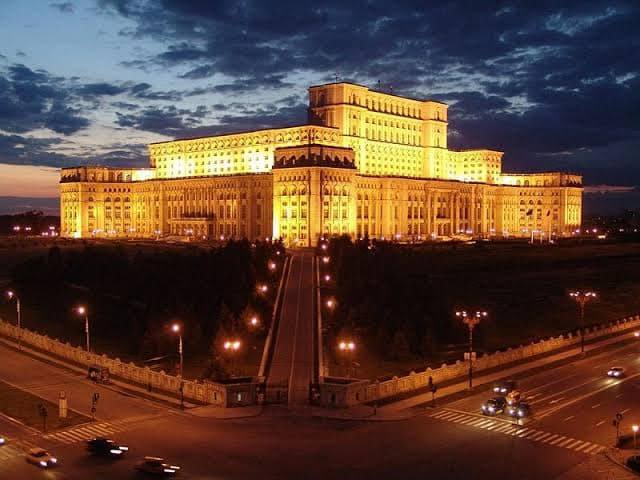
Every visitor comparing these two cities eventually asks the same question, and the honest answer starts with a concession: Budapest is the more polished, more famous tourist capital, and anyone pretending otherwise is selling something. The thermal baths, the Danube panorama with the floodlit Parliament, the ruin bars carved out of the old Jewish quarter — all of it is genuinely worth the trip, and no fair comparison should pretend otherwise.
Bucharest isn't trying to win on the same terms. It wins on different ones: better value at a comparable quality, more breathing room, a lived-in feeling rather than a city arranged for visitors. If you want a frictionless holiday where every corner is already mapped by guidebooks and Instagram, Budapest delivers consistently. If you'd rather a city that rewards curiosity and where your budget actually stretches further, Bucharest fits better. What follows is a category-by-category comparison, without invented numbers, so you can decide which trip actually suits you.
First Impressions and Looks
Budapest wins visually, no argument. The Danube-facing buildings, the Parliament, Fisherman's Bastion, the Chain Bridge — all monumental, carefully restored, and designed to be seen from the water or the hill above. It's a city that knows its best angles and uses them.
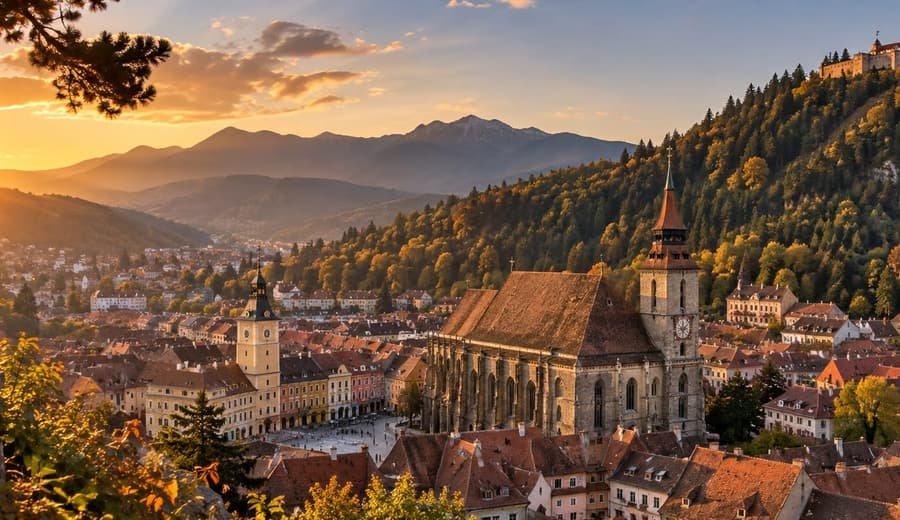
Bucharest doesn't have a postcard skyline, but it has a rougher, more interesting mix for anyone with patience: interwar Art Deco buildings sitting next to communist-era blocks, small Orthodox churches wedged between them, courtyards you stumble into rather than find in a guidebook. A walk through the old town or along Calea Victoriei shows the city with its layers exposed, not scrubbed for photographs. Our list of things to see confirms Bucharest has serious landmarks — they're just spread across neighbourhoods that reward time, not strung along a single one-hour loop.
Food and Drink
This category is more even than most visitors expect. Budapest has an established cuisine — goulash, lángos, Tokaj wines — well documented and easy to find anywhere in the tourist zone.
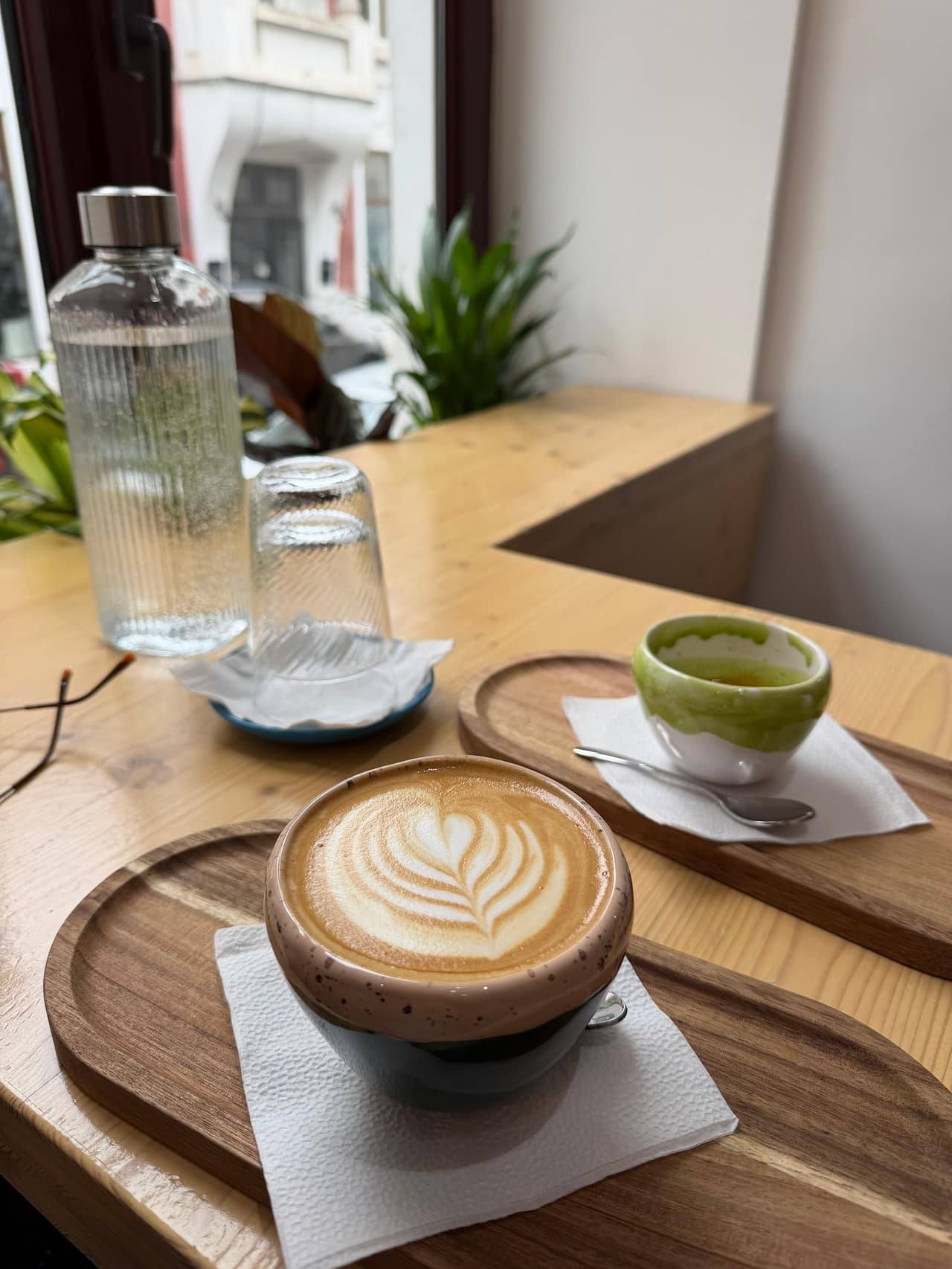
Bucharest offers noticeably better value at a comparable quality, with a food scene that's genuinely expanding: young chefs reinterpreting traditional Romanian dishes, neighbourhood taverns unchanged in decades, and a specialty coffee culture that's grown fast in recent years. The real difference shows up at the same quality level: a good meal simply costs less in Bucharest, and getting a table at a recommended spot rarely needs weeks of planning. Our restaurant guide is a solid starting point for anyone who wants more than grilled mici at a terrace — though the mici, in their place, are worth it too.
Nightlife
Budapest more or less invented the modern ruin bar and remains the reference point for anyone wanting a lively, tourist-heavy night out in repurposed old buildings. It's fun, but predictable — every guide recommends the same three or four spots, so your night looks a lot like everyone else's who read the same guide.
Bucharest's nightlife clusters around the old town, but also spreads into neighbourhoods like the university area or Dorobanți, with a more varied mix: electronic music clubs with a regional reputation, cocktail bars hidden upstairs or behind unmarked doors, and terraces that stay open late through summer. Our nightlife guide covers the relevant options — it's a less touristy scene overall, meaning you need to know where you're going, but you also don't pay a tourist markup on every drink.
Cost and Everyday Value
No exact figures here, since prices shift fast and vary by neighbourhood and season, but broadly: Bucharest stays cheaper than Budapest for accommodation, meals, and local transport at a comparable quality level. The gap isn't enormous, but it adds up across a three- or four-day city break, especially on central hotels and restaurant meals.
For the practical basics — currency, the single emergency number, other planning details — our practical information page is worth a read before either trip, regardless of which city you pick.
Crowds and Overtourism
Budapest deals with a heavy volume of visitors, especially in summer, concentrated on a relatively small set of attractions: the baths, the bridge, the Jewish quarter. Queues at the main sights are a fact of life you get used to quickly.
Bucharest doesn't have this problem at the same scale. You can visit most major landmarks without competing with tour groups, and the city's parks — larger and more numerous than Budapest's — offer a kind of breathing space Budapest simply doesn't have to the same degree. It's a quiet but real argument for anyone wanting a relaxed city break rather than a queueing marathon.
Getting Around and Day Trips
Both cities have functional metros and solid public transport networks. Budapest has the edge of a more compact centre, better signposted for tourists, plus the historic Danube-side trams that double as a minor attraction themselves.
Bucharest is more spread out, but its own metro runs efficiently, and ride-sharing apps (Bolt, Uber) are everywhere and cheap, which offsets the longer distances. On day trips, Budapest has Lake Balaton and nearby baroque towns; Bucharest holds its own, with the Carpathian Mountains only two to three hours away — monasteries, castles, hiking trails — and the Black Sea coast as a summer option. In practice, you reach the mountains faster from Bucharest than you reach any comparable mountain destination from Budapest.
The Verdict: Who Should Pick Which City
If you want a frictionless city break with concentrated sights, English signage everywhere, and a thermal bath to end the day, Budapest remains the safe choice — and nobody should feel bad picking it. If your budget matters, if you'd rather eat well without paying for the city's reputation, or if you want a place that still lets you discover something on your own, Bucharest wins clearly.
When you come matters almost as much as where — check our guide on when to visit Bucharest before locking in dates, so you land on the right weather and the right events.
FAQ
Is Bucharest cheaper than Budapest?
At a comparable quality level, yes — particularly for restaurant meals and central accommodation. The gap isn't dramatic, but it adds up over a multi-day stay.
Is Bucharest as safe as Budapest for tourists?
Both are European capitals with low street-crime rates for visitors. The same common-sense precautions that apply anywhere in Europe apply here; our practical information page covers what's worth knowing before you go.
How many days do you need for each city?
Three to four days comfortably covers the main sights in either city. Bucharest rewards a bit more time if you want to get beyond the centre and into its residential neighbourhoods.
Can you combine Bucharest and Budapest into one trip?
Yes, and plenty of travellers do exactly that — the two are connected by direct flights and trains, close enough for a week-long trip covering both without feeling like you've seen the same city twice.